To export fresh fruit and vegetables by air, confirm the destination's plant health rules first, get a phytosanitary certificate if required, pre-cool and pack the produce for its temperature needs, label every carton, and book a carrier that can keep the cold chain unbroken. Time and temperature management decide whether the fruit arrives sellable.
Key takeaways
- Check the importing country's plant health requirements before you harvest, not after, because they decide which documents and treatments you need.
- Match the temperature to the crop: chilling-sensitive tropical fruit such as mango is harmed by cold that suits apples or grapes.
- Use sturdy combination packaging, a PERISHABLE label and THIS WAY UP marks, and give the consignee's name, address and phone number on each package.
- Every perishable shipment needs an air waybill, and IATA encourages the electronic version.
- Ask your forwarder or airline whether they hold IATA CEIV Fresh certification, which assesses perishable handling against IATA standards.
Why export fresh produce by air?
Exporters fly fresh produce when the crop spoils too quickly for sea freight or when a fast arrival earns a better price.
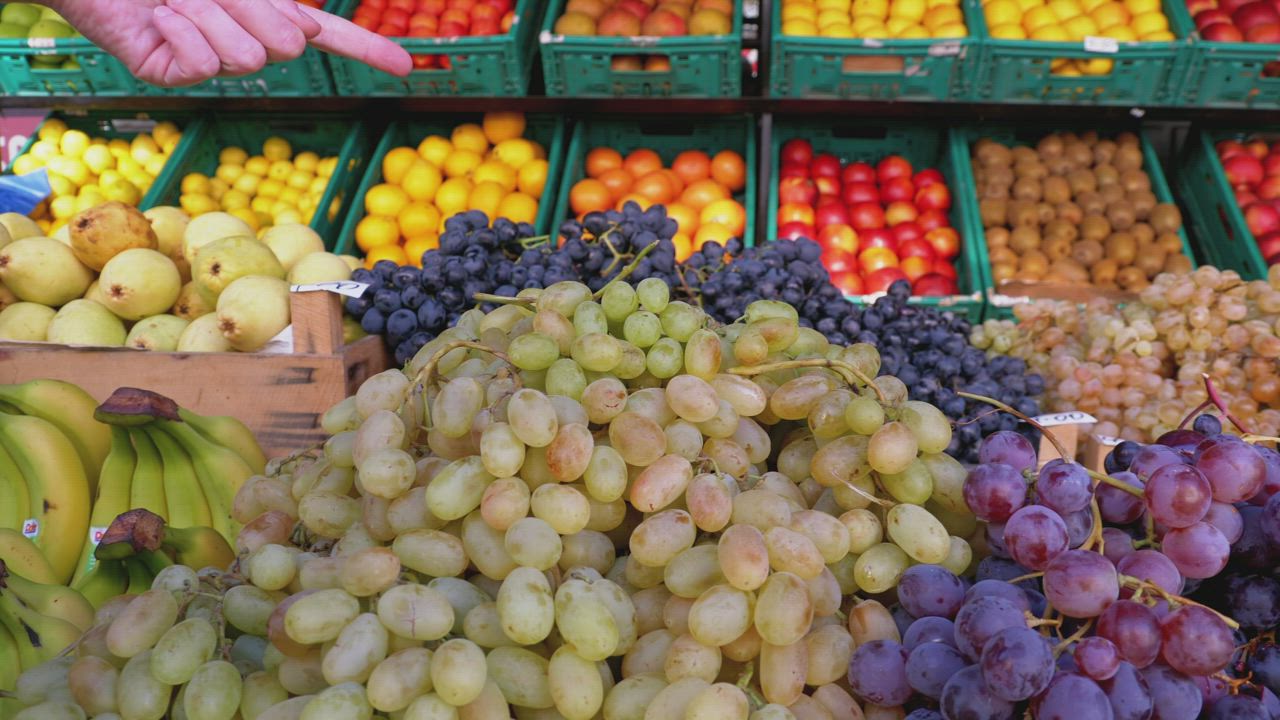
IATA lists fruit and vegetables among the perishable goods moved by air, because they spoil quickly and are sensitive to environmental conditions. The same page notes that airlines have developed standardized procedures for chilled and frozen goods, including validated handling methods and optimized packaging. Air freight is costly per kilogram, so it suits high-value, delicate or short-shelf-life crops: berries, asparagus, herbs and tropical fruit are typical examples. For a broader view, see our perishables air freight guide.
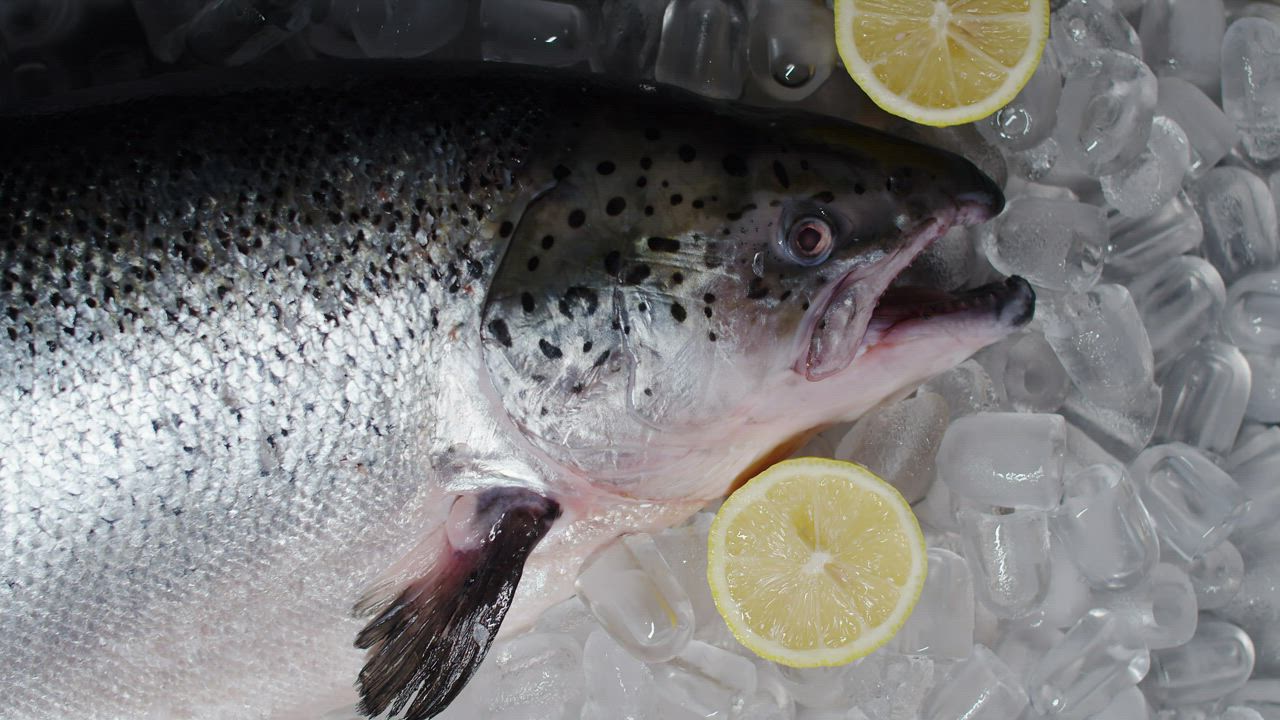
The trade-off is risk. IATA reports that fruits, fish and seafood, and cut flowers make up about 40 percent of all claims under its Perishable Cargo Regulations (PCR), citing product appearance, decay, damaged packaging and melted refrigerant. The checklist below targets those causes.
Step 1: What does the importing country require?
Look up the destination's plant health rules before you harvest, because they decide your documents, treatments and timing.
Importing countries set their own conditions for plant products, and some produce is banned or restricted outright. For US exporters, APHIS tells you to check the receiving country's rules in the Phytosanitary Export Database (PExD) and to contact your state's export certification specialist. Exporters elsewhere should ask their national plant protection organization, which is the agency that issues certificates in most countries.
Also confirm food safety, pesticide residue and labeling rules with your buyer or customs broker. These vary by market and change, so verify them for every new lane rather than assuming last season's shipment is the template.
Step 2: Do you need a phytosanitary certificate?
If the destination requires one, yes: a phytosanitary certificate is the official document that tells the importing country your consignment meets its plant health conditions.
The International Plant Protection Convention (IPPC) sets the international standard for these certificates in ISPM 12, which covers how they are issued and completed. In the United States the process, as APHIS describes it, runs in four steps:
- Check the destination's requirements in PExD, and the list of commodities ineligible for APHIS certification.
- Contact your state's export certification specialist.
- Work with an authorized certification official (ACO), who arranges the required inspections and helps you apply through the Phytosanitary Certificate Issuance and Tracking System (PCIT).
- Receive the certificate, which is available in PCIT to print once issued.
Fees apply and vary depending on the federal, state or county authority that does the inspection. Start early: inspection must happen on the product you are shipping, so the certificate cannot be finished before the produce is packed and ready. Our phytosanitary certificate guide explains the process, ePhyto and re-export certificates in more detail.
Step 3: How cold should the produce be?
It depends on the crop, and the wrong temperature can ruin sensitive fruit as surely as too little cooling.
IATA says certain perishable goods need lower temperatures to slow respiration, which slows ripening. But not every crop tolerates cold. A UC Davis postharvest presentation by Mitcham divides produce into non-chilling-sensitive items, stored near 0 °C, and chilling-sensitive items, stored around 10 °C, with variation by product. It shows mango suffering chilling injury when exposed to temperatures below 12 °C, and the threshold differs between varieties: the Ataulfo variety developed chilling injury at every temperature tested.
| Produce type | General approach | Source |
|---|---|---|
| Non-chilling-sensitive crops | Store near 0 °C | UC Davis (Mitcham) |
| Chilling-sensitive crops | Store around 10 °C, varies by product | UC Davis (Mitcham) |
| Mango | Damage when exposed below 12 °C; varies by cultivar and ripeness | UC Davis (Mitcham) |
Treat these as illustrations, not specifications. Get the target range and maximum transit time in writing from your buyer or a postharvest specialist for your exact crop, variety and ripeness, then tell the carrier. Pre-cool at origin and keep the product at temperature through trucking, cold storage and tender, since a warm pallet cannot be fixed in the cargo hold. Our guide to cut flowers by air shows the same logic applied to another cold-chain product.
Step 4: How should fruit and vegetables be packed?
Use packaging strong enough to survive stacking and handling, and combine inner and outer packs where the product needs it.
IATA lists fiberboard, expanded polystyrene, rigid and flexible plastic, vacuum and modified atmosphere packs, wooden boxes and metal containers as common perishable packaging. Some goods need combination packaging, an outer box around an inner pack. Packaging must hold internal temperatures despite altitude and outside temperature changes, and it must be sturdy enough for stacking. Polymer film around the pallet protects against moisture, and pest netting, a fine plastic net that fits over the pallet, is used for fruits, vegetables and flowers.
- Ventilation and moisture: Fresh produce is alive and respires, so many exporters use ventilated cartons. Confirm the design with your buyer and carrier.
- Refrigerants: If you use dry ice or batteries, a Dangerous Goods label is required, per IATA. See our dangerous goods overview.
- Test pack: Run a full-weight carton through your planned transit time, then cut it open and inspect the fruit.
Add a temperature logger to a sample of cartons so you can see what happened if there is a claim. We cover that in our guide to temperature data loggers in air cargo.
Step 5: What labels and documents go with the shipment?
Every package needs the right labels, and the shipment needs an air waybill plus any permits and certificates.
IATA's guidance says packages should bear THIS WAY UP on the side of the box and a standard IATA perishable label, and should show the consignee's name, address and phone number plus an emergency contact. The air waybill is required for all perishable air cargo shipments, and IATA prefers the electronic AWB; our AWB explainer shows how it works. Other documents depend on the product and route: the phytosanitary certificate, a commercial invoice, any CITES permit for regulated species, and import paperwork for the destination.
Put the maximum acceptable transit time and special handling on the shipper's instructions so the airline and your forwarder know what a delay costs you. Our guide to Incoterms for air freight helps you decide who owns the risk at each handover.
Step 6: How do you choose a carrier or forwarder?
Choose a partner that can show validated perishable procedures, direct or fast routings and cold storage at both ends.
IATA created the CEIV Fresh program because standardized perishable procedures were lacking. The certification is based on the PCR and assesses an organization using the PCR checklist and standards including ISO 22000:2018. To qualify, at least two staff must pass the Perishable Cargo Logistics Management course, and the organization then completes an assessment, a validated corrective action plan and recertification. IATA says certified operations are designed to meet the needs of food manufacturers and distributors. Certification is not a guarantee for any single shipment, but it is a useful screening question. IATA lists certified companies in its One Source registry.
The current edition of the PCR has been in effect since January 1, 2026, so ask your partner which edition they work to. Jumbo Air Cargo's JumboFresh service handles perishable shipments, and the questions above apply to any forwarder you consider.
Step 7: How do you control the cost?
Air freight is billed on the greater of actual and volumetric weight, so carton size matters as much as the rate.
Produce cartons are often bulky, and insulation and ventilation add volume. Use our chargeable weight calculator to compare carton sizes, which also shows the formula. Never shrink a carton so far that it fails the test pack, because a rejected or spoiled shipment costs more than any freight saving.
Quick checklist before tender
- Destination plant health and food rules confirmed.
- Phytosanitary certificate issued, if required.
- Produce pre-cooled to the buyer's specification.
- Cartons tested, sealed and labeled, with logger placed.
- Air waybill, invoice and permits ready.
- Flight booked and acceptance confirmed with the carrier.
- Consignee and broker alerted to the arrival time.
For hardier produce on longer lanes, refrigerated ocean containers are the main alternative; our air freight vs sea freight comparison explains when flying is worth the higher rate.
Frequently asked questions
Do I always need a phytosanitary certificate to export fruit by air?
Not always. It depends on the importing country and the product, so check the destination's requirements first. In the United States, the USDA APHIS Phytosanitary Export Database (PExD) lists each country's rules.
What temperature should fresh fruit travel at?
There is no single figure. The right range depends on the crop and variety, and some tropical fruit is damaged by cold. Get the specification from your buyer or a postharvest specialist and confirm it with the carrier.
Why do fruit shipments get claims?
IATA says fruits, fish and seafood, and cut flowers together make up about 40 percent of all claims under its Perishable Cargo Regulations. Reasons include poor appearance, decay, damaged packaging and melted refrigerant.
What is CEIV Fresh?
It is an IATA certification based on the Perishable Cargo Regulations. It sets baseline standards so supply chain partners can manage time and temperature and prevent food loss.