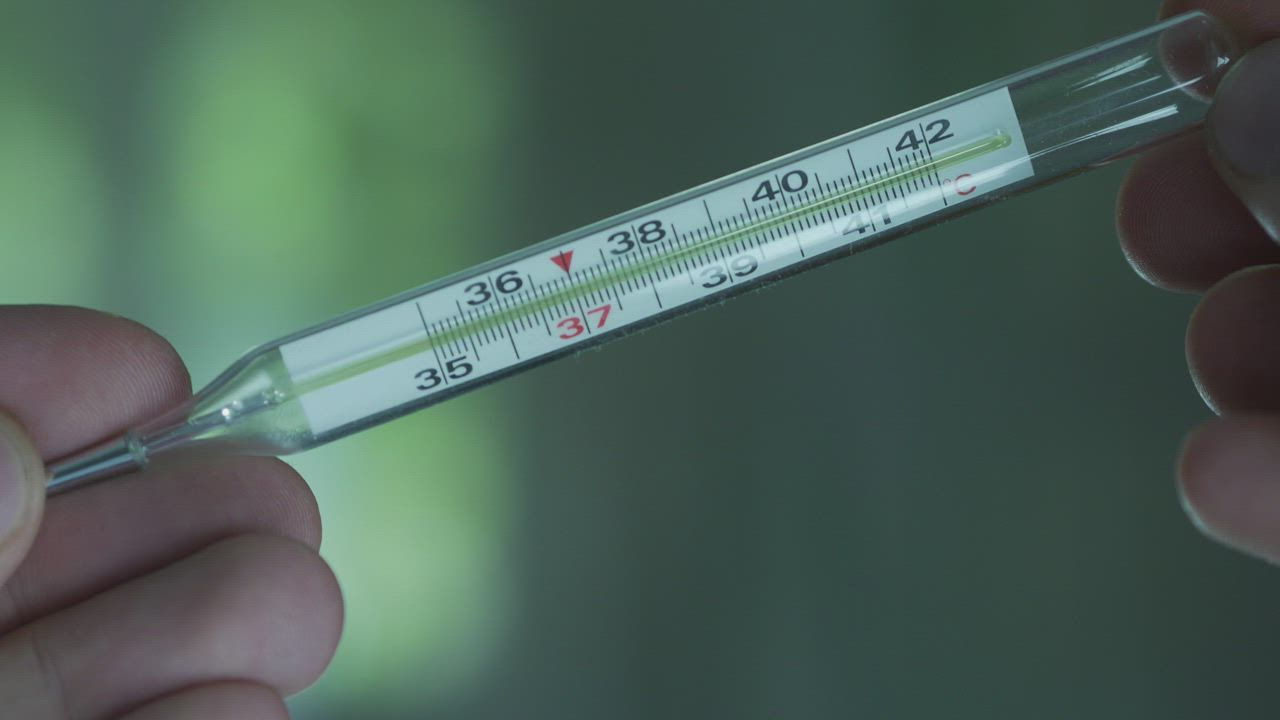
A temperature data logger is a small device packed with the product that records temperature for the whole journey, so you can prove the shipment stayed in its labeled range. Choose a logger with the right range, accuracy and recording time, and remember that most loggers contain lithium batteries, which IATA treats as dangerous goods.
Key takeaways
- Put the logger inside the package, next to the product, and start it before the shipment is tendered.
- Match the logger's measuring range, accuracy and battery life to the product label and the longest realistic trip, including delays.
- Single-use loggers suit most lanes; real-time trackers cost more but let you act before a product is lost.
- Most loggers use lithium cells, and IATA says these must meet the Dangerous Goods Regulations even when installed in a logger.
- Agree alarm limits, who gets called, and how the data is downloaded and kept before the shipment leaves.
What does a temperature data logger do in air cargo?
A temperature data logger records the temperature around your product from the moment it is packed until it is received, giving you evidence rather than assumptions.
Air freight puts temperature-sensitive goods through several handoffs: packing, trucking, airport storage, loading, a flight, a possible transfer, and last-mile delivery. A gap in any of them can cause an excursion that nobody sees. The logger stores timed readings so that, on arrival, the receiver or the manufacturer's quality team can decide whether the product is still releasable. It is the record that settles disputes with carriers, insurers and customers.
It is worth separating the logger from two things that are often confused with it. IATA's pharma pages describe the Temperature Control Regulations (TCR) as the manual of requirements and standards for transporting and handling pharmaceutical products. They also describe a Time and Temperature Sensitive Label, mandatory since July 2012, that must be affixed to all shipments booked as time and temperature sensitive and shows the external transport temperature range. The label tells handlers how to treat the package; the logger tells you what actually happened to it.
What types of loggers can you choose from?
There are three practical choices: single-use loggers, reusable loggers and real-time trackers.
| Type | How you read it | Best for | Main trade-off |
|---|---|---|---|
| Single-use logger | Download after delivery, often as a PDF or file | Routine lanes and high volumes | You learn about an excursion only after arrival |
| Reusable logger | Download after delivery, then return and reset | Closed loops with returnable shippers | Needs return logistics and calibration tracking |
| Real-time tracker | Live data over cellular or other networks | High-value or very sensitive products | Higher cost, and network use must be allowed on aircraft |
The right choice depends on what you can do with the information. If a product cannot be rescued mid-journey, a post-delivery record is usually enough. If someone can intervene, for example by re-icing a box at a transfer point, a live alert has real value.
How do you pick the right logger specification?
Start from the product label, then work backward to the logger's range, accuracy, recording time and sampling interval.
- Measuring range: it must cover the labeled storage range with margin, including the extreme if you are using dry ice or other very cold refrigerants.
- Accuracy and calibration: ask for a calibration certificate and confirm it is current. Your quality team may specify a tolerance.
- Recording duration: size it for the longest realistic trip, not the scheduled one. Add time for a missed connection, customs holds and weekend storage.
- Sampling interval: shorter intervals show short excursions but use more memory and battery.
- Alarm settings: set limits to the labeled range, and decide whether a brief dip counts.
- Output: make sure the receiver can open the data without special software, and that it can be stored with the batch record.
If your product ships under a specific standard or customer specification, follow that document first; it overrides any general advice here. For range basics, see our guide to pharma cold chain air freight.
Where should the logger go in the package?
Place it inside the insulated container next to the product, not on the outside of the box.
An external reading shows the airport ramp, not the product. Inside the shipper, put the logger in the position that matters most: near the product and, where your validation shows a warm or cold spot, close to it. Start the logger before packing, confirm that it is recording, and note the start time on the shipping paperwork. Keep a record of the serial number so the data can be matched to the shipment. For large pallets or multiple boxes, your quality agreement sets how many loggers are used and where they go.
Weight and bulk from packaging also affect cost. Insulated shippers can add a lot of volume, so check your chargeable weight before quoting.
Are temperature data loggers dangerous goods?
The logger itself is not regulated for its sensors, but the lithium cells that power most of them are classified as dangerous goods.
IATA's guidance document on battery-powered data loggers says most of these devices use lithium metal or lithium ion cells or batteries. It states that lithium cells and batteries must meet the applicable provisions of the IATA Dangerous Goods Regulations (DGR) whether they ship alone or installed in a small device such as a data logger placed in or attached to cargo. It adds that cells and batteries must have passed the tests in Subsection 38.3 of the UN Manual of Tests and Criteria.
The level of regulation depends on size. According to the same document:
| Battery type | Fully regulated above | Excepted (Section II) at or below |
|---|---|---|
| Lithium metal cell | More than 1 g lithium content | 1 g or less |
| Lithium metal battery | More than 2 g lithium content | 2 g or less |
| Lithium ion cell | More than 20 Wh | 20 Wh or less |
| Lithium ion battery | More than 100 Wh | 100 Wh or less |
Fully regulated batteries trigger the full DGR: trained staff, marked and labeled packages, and a Shipper's Declaration for Dangerous Goods. Excepted batteries fall under Section II of the relevant packing instructions, with no more than 5 kg net weight of lithium cells or batteries per package. Packages with excepted batteries installed in a logger generally need the lithium battery mark, with exceptions that IATA lists, including packages where the loggers are powered only by button (coin) cells and packages with no more than 4 cells or 2 batteries in equipment per package and no more than two packages in the consignment. The guidance was written for the 2021 regulations, so check the current IATA lithium battery rules and your carrier's requirements before each shipment. For the broader picture, read our guide to shipping lithium batteries by air.
Can a logger stay switched on during the flight?
Many loggers record continuously in flight, but live-transmitting trackers need extra care.
IATA's guidance includes recommendations for devices that are active during transport and draws on advice from the European Aviation Safety Agency and the US Federal Aviation Administration for devices in aircraft cargo compartments. Rules for transmitting devices differ by airline and country, so ask your carrier before you use one and get its approval in writing. A logger that records but does not transmit is the simpler choice for most lanes.
What should you agree before the shipment leaves?
Agree the alarm limits, the contact person, the download method and the data retention before tender.
- Confirm the logger's calibration and that it is started and recording.
- Set alarm limits to the labeled range and decide what counts as an excursion.
- Name who is called when an alarm trips, with a phone number that works across time zones.
- Tell the receiver how to stop the logger, download the data and who gets the file.
- Keep the data with the batch record, and quarantine the product until quality has reviewed any excursion.
Choosing partners matters too. IATA's CEIV Pharma certification independently assesses how companies handle pharmaceutical cargo; our explainer on CEIV Pharma for shippers shows how to use it. Jumbo Air Cargo supports temperature-sensitive freight through JumboPharma.
Frequently asked questions
What is a temperature data logger in air cargo?
It is a small battery-powered device that measures and stores temperature readings during transport. After delivery the data is downloaded to show whether the product stayed in range.
Is a data logger the same as the IATA time and temperature sensitive label?
No. The label is an external shipping label showing the transport temperature range, while the logger records actual temperatures inside the package. IATA requires the label on shipments booked as time and temperature sensitive.
Are data loggers dangerous goods?
The lithium cells or batteries that power most loggers are classified as dangerous goods by IATA. Small cells within the excepted limits follow Section II of the packing instructions, which has marking rules, so check the current Dangerous Goods Regulations.
How many loggers should go in a shipment?
There is no single rule. Your quality agreement, the manufacturer and the receiving party set the number and placement, and a sensible default is at least one logger per shipper or per pallet.