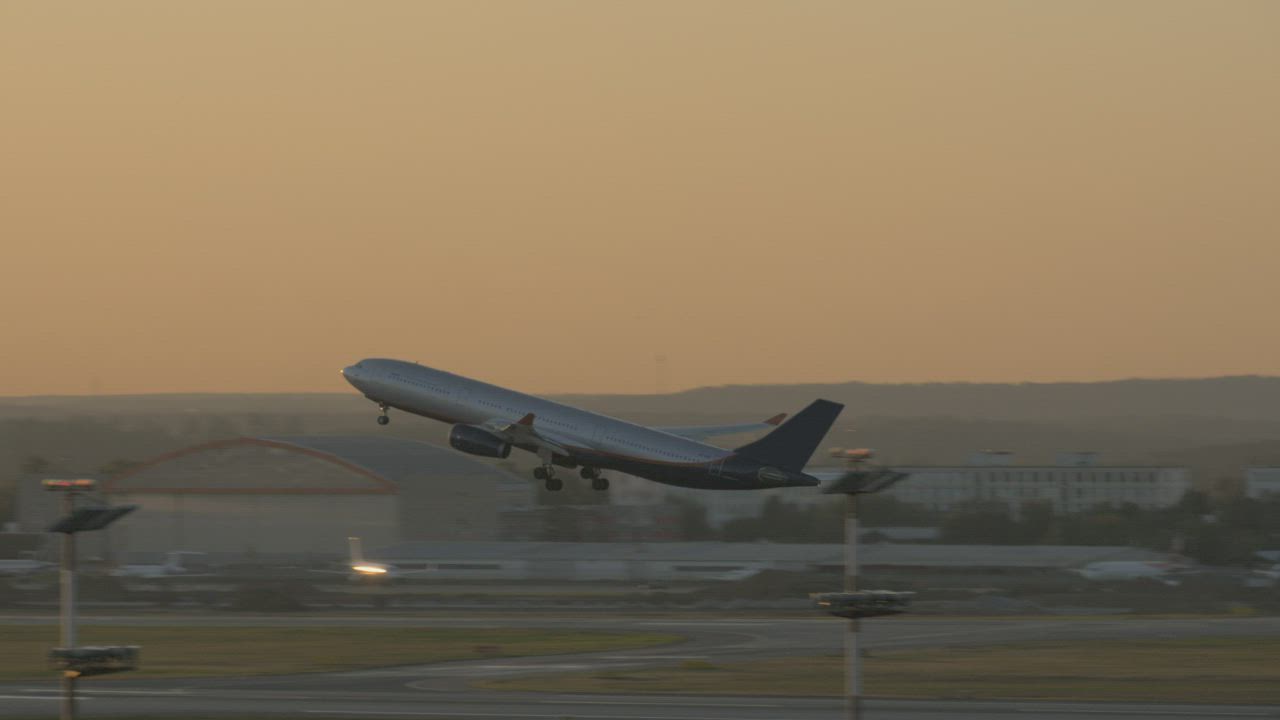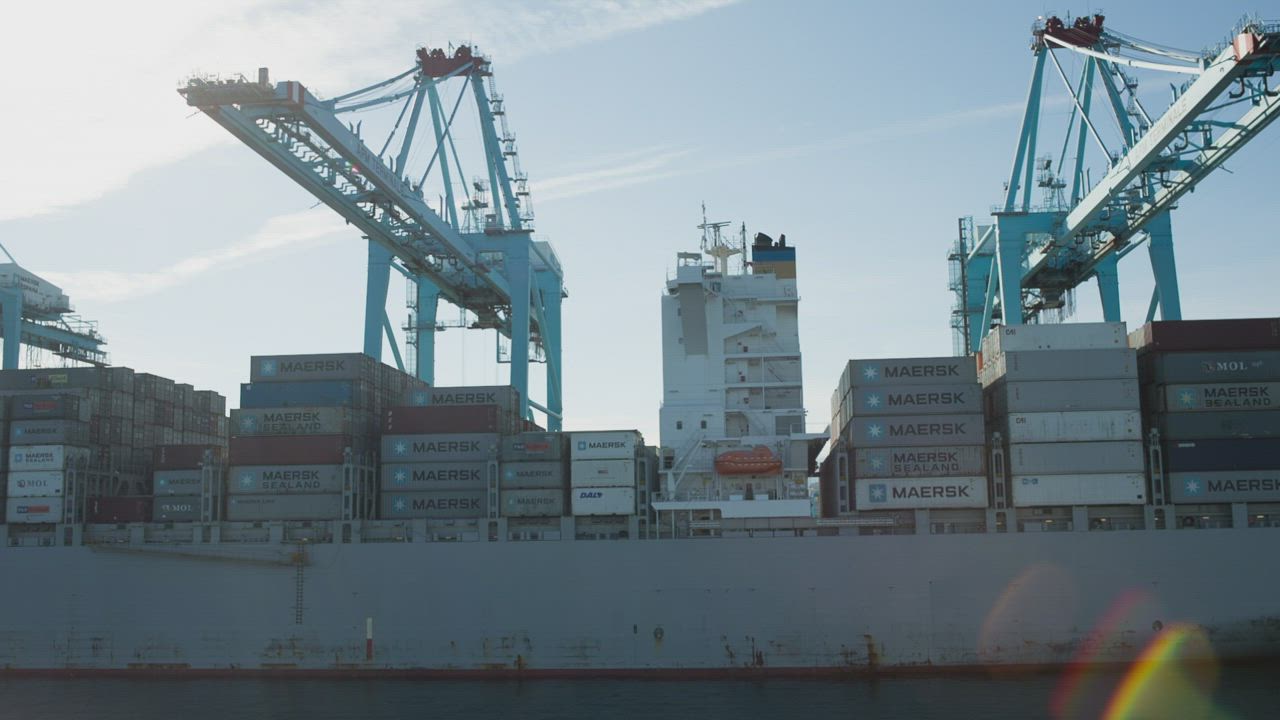
Air freight is faster and more predictable but costs several times more and emits roughly 30 to 55 times more CO2e per tonne-km than sea freight. Choose air when speed, value or perishability matters more than the rate per kilogram, and sea when cargo is heavy, low in value and not urgent; airport-to-airport air commonly takes days, while ocean commonly takes weeks.
Key takeaways
- Speed: air commonly moves cargo airport to airport in 1 to 5 days; ocean port to port between continents commonly takes 2 to 6 weeks or more.
- Cost: in the Freightos update of October 6, 2026, China to North America air was $5.60/kg while an Asia to US West Coast 40-foot container was $8,322; per kilogram, sea is usually far cheaper.
- Reliability: Sea-Intelligence measured global container schedule reliability at 49.9% in August 2026, with late vessels arriving 6.81 days late on average.
- Emissions: UK DESNZ 2025 factors put long-haul air freight at 0.531 kg CO2e per tonne-km (0.899 with radiative forcing) versus 0.016 for an average container ship.
- Air is billed on chargeable weight (1 m³ = 167 kg); LCL ocean is billed weight or measure (1 m³ = 1,000 kg), so light, bulky cargo is relatively much cheaper by sea.
What is the real difference between air and sea freight?
Air freight trades cost for speed: it is several times more expensive per kilogram than sea freight, but it moves cargo between continents in days rather than weeks.
The two modes carry very different kinds of goods. IATA says airlines carry more than 33% of global trade by value but less than 1% by volume, around $8.3 trillion worth of goods a year (IATA Cargo); its 2016 study put the value share at about 35%. Aircraft carry the light, valuable and urgent end of world trade. Ships carry the bulk, from raw materials to most containerized consumer goods.
When people compare "shipping vs air freight," shipping usually means ocean freight. That is either a full container load (FCL), where you pay per container, or less than container load (LCL), where you share a container and pay per cubic meter or tonne. Air freight is priced per kilogram of chargeable weight and flies either in the belly of passenger aircraft or on dedicated freighters.
How much more expensive is air freight than sea freight?
Typically several times to more than ten times more for the same cargo: on Freightos benchmarks for October 6, 2026, flying a 40-foot container's worth of cargo from China to the US West Coast works out to about 6 times the ocean rate for light, bulky goods and more than 13 times for dense, heavy goods.
The multiple depends on density, because air bills by chargeable weight (1 m³ counts as 167 kg) while a full container is priced per box. The worked example in the cost section below shows the arithmetic, and the air freight cost calculator applies current published per-kg benchmarks to your own dimensions and weight.
How do air freight and sea freight compare side by side?
Air wins on speed, reliability and damage risk; sea wins on cost, capacity and emissions. The table uses published figures where a named source exists and qualitative comparisons where it does not.
| Factor | Air freight | Sea freight |
|---|---|---|
| Transit time | Typically 1 to 5 days airport to airport; door to door often about a week | Typically 2 to 6 weeks or more port to port between continents, plus clearance and delivery |
| Spot rate level (Freightos update, October 6, 2026) | Freightos Air Index: China to North America $5.60/kg; China to Northern Europe $3.83/kg | FBX: Asia to US West Coast $8,322 per 40-foot container (FEU); Asia to Northern Europe $3,260/FEU |
| Pricing basis | Per kg of chargeable weight (1 m³ = 167 kg, 6,000 cm³/kg divisor) | FCL per container; LCL per revenue ton, weight or measure (1 m³ = 1,000 kg) |
| Schedule reliability | Frequent, often daily departures on major lanes; delays usually measured in hours or days | Sea-Intelligence GLP: 49.9% of vessels on time globally in August 2026; late vessels averaged 6.81 days late |
| Emissions (UK DESNZ 2025, kg CO2e per tonne-km) | 0.531 long-haul freight flight without radiative forcing; 0.899 with radiative forcing | 0.016 average container ship; 0.013 for ships of 8,000+ TEU |
| Capacity and size limits | Limited by aircraft door and deck height, floor loading and payload; dangerous goods rules are stricter | Very large capacity; oversize cargo fits open-top, flat-rack or breakbulk |
| Damage and theft risk | Lower, with shorter transit and controlled handling | Higher over weeks at sea, transshipment and rough weather |
| Best for | Urgent, high-value, perishable, temperature-sensitive, launch stock, spare parts | Heavy, bulky, low-value, predictable replenishment, raw materials |
Index rates are spot market benchmarks, not all-in door-to-door quotes, and they move every week. The Freightos rates above come from its weekly update of October 6, 2026, which reported China to North America air rates down more than 15% that week as demand eased over Golden Week. Check the current index or ask for a live quote before you decide.
When does air freight win?
Air freight wins when the cost of waiting is higher than the extra freight cost. Compare total landed cost, not the freight line on its own.
- High value per kilogram. On a $200 smartphone or a vial of biologics, a few dollars of air freight per kilo is a small share of the product's value. Electronics, semiconductors, luxury goods and pharmaceuticals fly as a matter of course.
- Perishables and cold chain. Fresh produce, flowers, seafood and many medicines cannot survive weeks at sea. See JumboFresh and JumboPharma.
- Stock-outs and launches. One missed product launch or empty shelf can cost more than flying the whole shipment.
- Short product life cycles. Fashion, consumer tech and seasonal goods lose value fast once they are late.
- Inventory carrying cost. Goods at sea for five weeks are capital tied up for five weeks, plus insurance and safety stock to cover slow, unpredictable arrivals.
- Breakdowns and AOG. Machinery spare parts and aircraft parts fly because a stopped production line or grounded aircraft costs far more per day than the freight.
- Unreliable ocean lanes. When fewer than half of vessels arrive on time, as Sea-Intelligence measured globally in August 2026, the real cost of ocean includes the buffer stock you hold against delay.
For general cargo that needs to move fast on any lane, JumboGeneral covers scheduled and freighter capacity. Heavy or outsize pieces that still cannot wait, such as turbines or mining equipment, can fly on freighters or charters through JumboPower.
When does sea freight win?
Sea freight wins for heavy, bulky, low-value cargo with predictable demand, where weeks in transit do not hurt sales.
- Low value per kilogram. Furniture, building materials, bulk food, packaging and most raw materials cannot carry air freight costs.
- Light but bulky goods. Air bills these on volume at 167 kg per cubic meter. In LCL, a cubic meter is billed as one revenue ton, and a full container is a flat price however much it weighs, so low-density cargo is relatively much cheaper by sea.
- Large, steady volumes. Regular replenishment of known best sellers can be planned around ocean schedules and buffer stock.
- Emissions targets. Per tonne-km, an average container ship emits about 33 times less CO2e than a long-haul freight flight on DESNZ factors (about 56 times less if you include radiative forcing). Sea routes are often longer than flight paths, which narrows the gap a little but does not close it.
- Cargo air cannot take. Some dangerous goods are forbidden on aircraft or limited to cargo aircraft only, and very long or heavy items can exceed aircraft door and floor limits.
How much more CO2 does air freight emit than sea freight?
Roughly 33 times more per tonne-km on UK government factors, or about 56 times more if you include the warming effect of high-altitude emissions (radiative forcing).
Using the DESNZ 2025 conversion factors, moving one tonne 10,000 km produces about 5,300 kg CO2e on a long-haul freight flight (about 9,000 kg with radiative forcing) and about 160 kg on an average container ship. These are averages for reporting, not measurements of a specific flight or vessel, and the ocean route between two cities is usually longer than the flight path. Companies reporting Scope 3 emissions commonly use these or GLEC Framework factors, so the mode you choose shows up directly in your carbon accounts.
Is air freight expensive?
Yes, per kilogram air freight is far more expensive than ocean, but it is often a small share of the value of the goods it carries.
As a hypothetical illustration using the October 6, 2026 Freightos figures: suppose 55 m³ of light cargo fills a 40-foot container from China to the US West Coast. By sea, at the FBX01 level, that is about $8,322. By air, 55 m³ is about 9,170 kg chargeable, which at $5.60/kg is roughly $51,000, around six times more. If the same container held 20 tonnes of dense goods, flying it would cost about $112,000, more than 13 times the ocean rate. Neither figure includes origin, destination or customs charges, and real quotes vary by lane, date and commodity.
That gap is why air freight suits goods where speed protects margin. For what drives air rates and how to bring them down, read is air freight expensive?
How does chargeable weight work by air and by sea?
Both modes charge light, bulky cargo by volume, but air uses a much lower density threshold: 167 kg per cubic meter by air versus 1,000 kg per cubic meter for LCL ocean.
Air freight. Volumetric weight in kilograms is length × width × height in centimeters divided by 6,000, which works out to 1 m³ = 167 kg. The airline bills whichever is greater: actual gross weight or volumetric weight. Our guide to chargeable weight in air freight covers rounding and express divisors.
LCL sea freight. Ocean consolidators bill per revenue ton on a weight or measure (W/M) basis: 1 m³ or 1,000 kg, whichever is greater. Full containers are priced per box, subject to the container's weight limit.
Worked example (hypothetical)
Four pallets, each 120 × 80 × 160 cm and 150 kg, total 600 kg actual weight and 6.14 m³.
- Air: 120 × 80 × 160 ÷ 6,000 = 256 kg volumetric per pallet, or 1,024 kg for four. That beats the 600 kg actual weight, so the chargeable weight is 1,024 kg.
- LCL ocean: 6.14 m³ versus 0.6 tonnes. Measure is greater, so the shipment is billed as 6.14 revenue tons.
- What it means: by air you pay for 70% more weight than the pallets actually weigh; by sea you pay for space. Lowering pallet height or consolidating cartons cuts the air bill directly.
Run your own dimensions through the chargeable weight calculator before you compare quotes.
How long does air freight take compared with sea freight?
Airport-to-airport air freight commonly takes 1 to 5 days; port-to-port ocean freight between continents commonly takes 2 to 6 weeks or more.
Door to door, add pickup, export screening and clearance at origin, plus import customs and delivery at destination. That commonly brings air to around a week and ocean to well over a month on long lanes. Ocean timings are also less predictable: in August 2026 Sea-Intelligence recorded the lowest global schedule reliability since September 2022, with late vessels arriving an average of 6.81 days behind schedule. Port congestion, blank sailings and route diversions around chokepoints can add one to two weeks with little notice. For a lane-by-lane breakdown, see how long air freight takes.
Can you combine air and sea freight?
Yes. Many shippers use both air and sea freight, either by splitting an order across modes or by booking sea-air, which ships part of the way and flies the rest.
- Split shipments. Fly enough stock to cover demand until the ocean shipment lands, for example 10 to 30% of an order for a launch or restock, and send the rest by sea.
- Sea-air. Cargo travels by ship to a transshipment hub and then flies the final leg. It is slower than air the whole way but faster than ocean alone and usually cheaper than full air. Read sea-air freight explained.
- Mode switching. Keep ocean as the default and switch urgent SKUs to air when a vessel slips or demand spikes.
How do you choose the right mode for a shipment?
Put both options on the same basis: door-to-door cost and days for the same shipment, then add the cost of time.
- Work out the air chargeable weight and the ocean revenue tons or container count.
- Ask for door-to-door quotes that include pickup, origin handling, export clearance, destination handling, customs brokerage and delivery.
- Add the cost of extra inventory days for the slower option: financing, insurance and storage.
- Add a realistic buffer for ocean delays on your lane, using current reliability data.
- Estimate the cost of a stock-out or late launch, and the value lost to spoilage or obsolescence.
- Compare total cost per unit sold, not per kilogram shipped, and factor in emissions if you report Scope 3.
If the answer is close, a split shipment usually beats an all-or-nothing choice. Jumbo Air Cargo can quote the air leg alongside your ocean plan so you can compare like for like.
Frequently asked questions
Is air freight or ocean freight better?
Neither is better in general. Air freight is better for urgent, high-value, perishable or temperature-sensitive goods; ocean freight is better for heavy, bulky, low-value cargo with predictable demand. Many shippers use both, flying a share of an order and shipping the rest.
What is the difference between shipping and air freight?
"Shipping" usually means sea freight in containers, priced per container or per cubic meter and taking weeks. Air freight moves cargo on passenger or freighter aircraft, priced per kilogram of chargeable weight and taking days.
Is sea freight cheaper than air freight?
Per kilogram, almost always. On a total landed cost basis, air can work out cheaper for high-value or time-critical goods because it cuts inventory, spoilage and lost sales.
Which has lower emissions, air freight or sea freight?
Sea freight, by a wide margin. UK government 2025 conversion factors give 0.531 kg CO2e per tonne-km for long-haul air freight without radiative forcing and 0.016 for an average container ship, about 33 times lower.
How long does air freight take compared with sea freight?
Airport-to-airport air freight commonly takes 1 to 5 days and door to door often about a week. Port-to-port ocean transit between continents commonly takes 2 to 6 weeks or more, before customs clearance and delivery.
Sources
- UK DESNZ: Greenhouse gas reporting conversion factors 2025
- Sea-Intelligence: Global Schedule Reliability Continues to Plummet in August (GLP 181, 29 Sep 2026)
- Freightos: Premier Alliance joins Red Sea return, October 6, 2026 Update
- Freightos: Freightos Baltic Index (FBX)
- IATA: Cargo
- IATA: Air Cargo Connectivity Enhances Global Trade Participation (2016)