Fresh seafood is shipped by air as wet cargo: sealed in leak-proof inner bags, packed in insulated outer boxes with a suitable refrigerant, labeled PERISHABLE and THIS WAY UP, and handed over as close to the flight as possible. The carrier's acceptance rules and the current IATA Perishable Cargo Regulations set the details.
Key takeaways
- Treat fresh and frozen fish as wet cargo: leak-proof inner bags, sealed insulated outer boxes, and a refrigerant that cannot leak into the hold.
- Use gel coolants for live seafood such as lobster; dry ice is a dangerous good (UN 1845) and is meant for frozen product.
- Mark every box PERISHABLE and THIS WAY UP, and make it obvious whether the contents are frozen or live.
- Put the maximum transit time and handling instructions on the Shipper's Letter of Instruction, because carriers can refuse cargo that will not arrive in good condition.
- Plan for the destination too: food importers such as the United States require advance notice of arriving shipments.
Why does seafood ship by air at all?
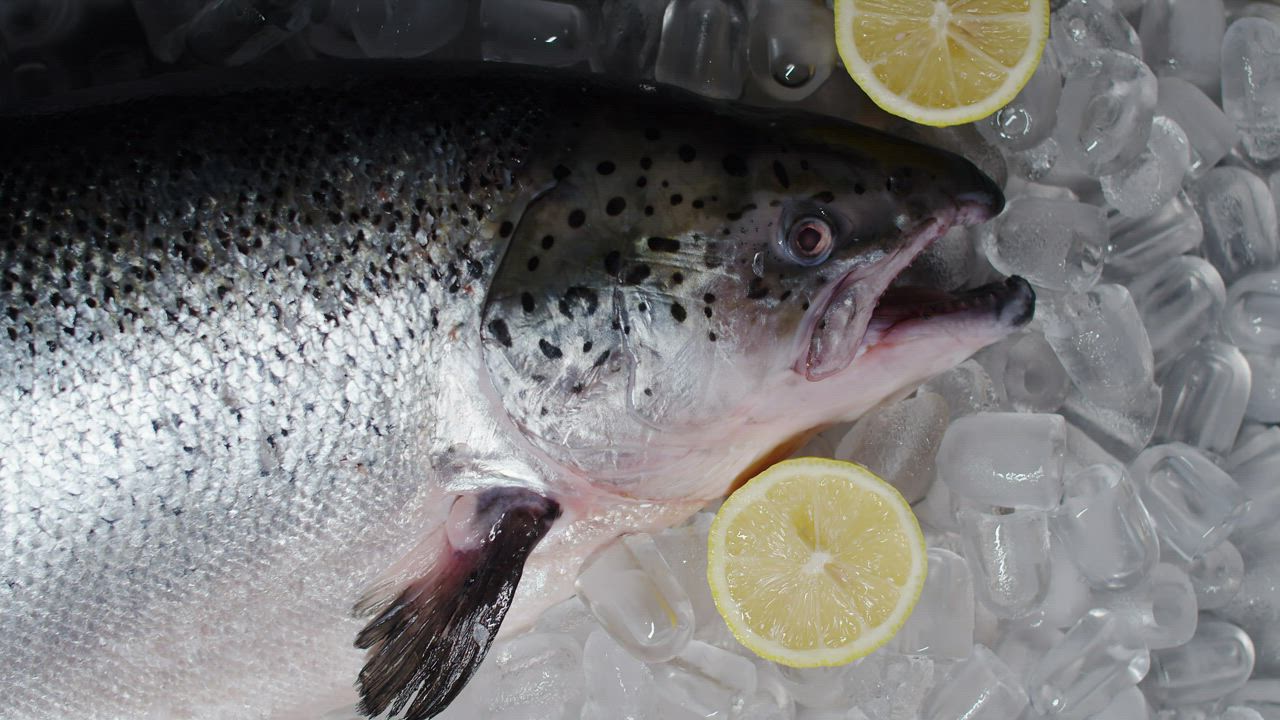
Seafood ships by air because it is among the most time-sensitive freight there is: every hour in transit comes out of the shelf life your buyer can sell.
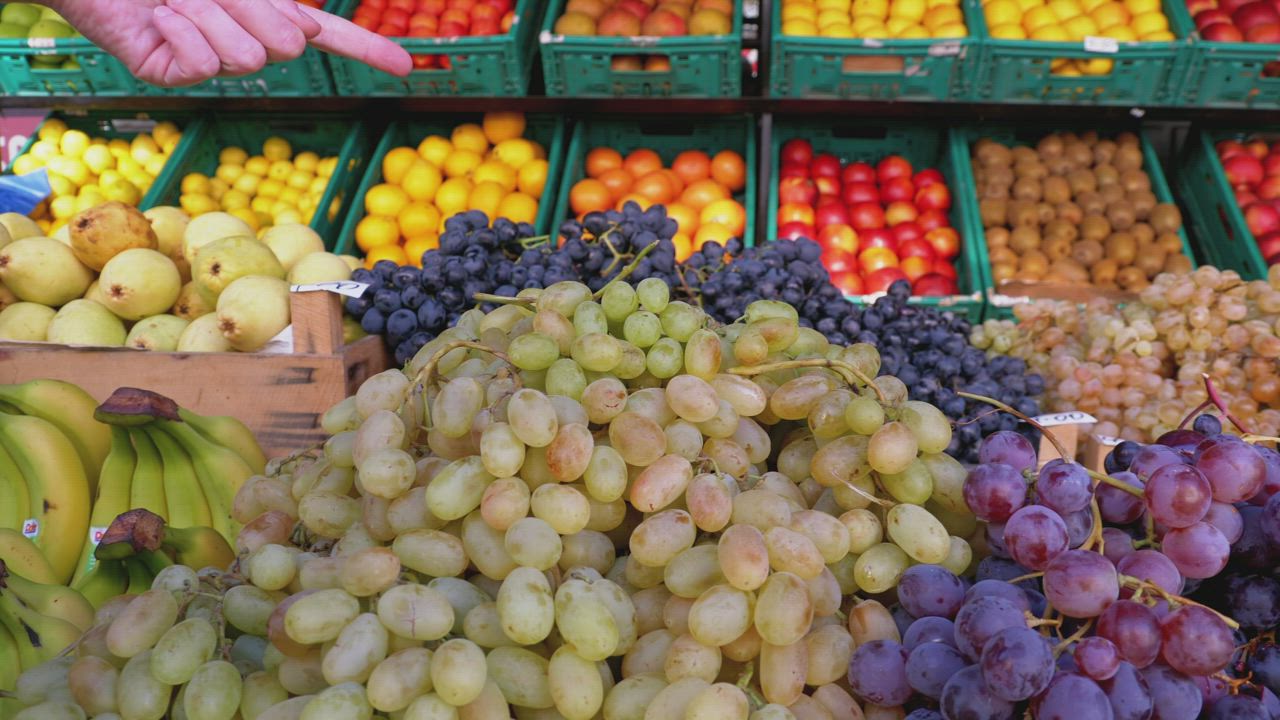
IATA lists seafood, including shellfish, among the perishable goods moved by air, alongside fruit, vegetables, meat and cut flowers. For a fishing or aquaculture business, a flight turns a product that would be days old on arrival by sea into one that reaches a restaurant or retailer in a day or two. The trade-off is that air freight is expensive per kilogram, so the shipment has to arrive in sellable condition. A single failed box can wipe out the margin on the pallet.
That risk is visible in claims data. IATA reports that fruits, fish and seafood, and cut flowers make up about 40 percent of all claims under its Perishable Cargo Regulations (PCR). Most of those problems are preventable with the right pack, the right paperwork and a disciplined handover. For a broader overview of perishable freight, see our perishables air freight guide.
Is seafood classed as wet cargo?
Yes: airlines treat fresh and frozen fish as wet cargo because it can leak, and leaks are what carriers fear most.
Vietnam Airlines, for example, states that fresh and frozen fish and seafood must be shipped in leak-proof packaging and handled as wet cargo. Perishables that may exude liquids fall under the same wet cargo rules, and wet ice must be sealed inside polyethylene or other non-leaking bags within each package, or the packaging must be able to hold all the meltwater.
The reasons are practical. Fluid under a pallet can corrode aircraft floors and damage other customers' cargo, and it can contaminate food and pharmaceuticals loaded nearby. If a box is found dripping at the warehouse, the carrier can refuse it. Vietnam Airlines also says it will not accept cargo whose contents do not appear to be in good condition, and its staff may refuse shipments with inadequate packaging or that they judge will not arrive in satisfactory condition.
How should fresh seafood be packed?
Pack seafood in sealed polyethylene inner bags, inside a strong insulated outer box, with a refrigerant that cannot leak.
The common method described by carriers is a polyethylene bag as the inner container, holding the product and refrigerant, inside an outer container of fiberboard, wood, Styrofoam or carton. Vietnam Airlines adds several specific points:
- The polyethylene must be thick enough not to tear, and you should double-bag if you need extra leakage protection.
- Corrugated fiberboard outer boxes with folded corners add leakage protection.
- Styrofoam outer containers can be used only with polyethylene bag inner containers.
- Waterproof tape or bands may seal cartons, but they must not damage the container.
FedEx's perishables guide gives similar basics for parcel shipments: insulated foam containers with walls at least 1.5 inches thick, watertight 2-mil bags for anything that could melt or leak, and a sturdy outer box. Those figures come from an express carrier's guide, not the airline cargo rules, so treat them as a reference point and confirm the standard your own carrier applies. For pallets, IATA notes that polymer film wrapped around the pallet can help guard against moisture and leaks.
Whatever the box, test it before it matters. Pack one at full load, tilt it, and leave it warm for the length of your planned transit. If meltwater appears, the real shipment will leak too.
Which refrigerant is right: gel, wet ice or dry ice?
Gel coolants are the safest default for fresh and live seafood, while dry ice belongs with frozen product and brings dangerous goods rules.
| Refrigerant | Best for | Main caution |
|---|---|---|
| Gel coolants | Chilled product between 32 and 60 °F (0 and 16 °C), per FedEx; live seafood such as lobster | Must still be sealed and kept from damaging the product |
| Wet ice | Fresh fish where the carrier allows it | Heavy; must be sealed in leak-proof bags, and FedEx requires advance approval |
| Dry ice | Frozen seafood | Dangerous good (UN 1845); net weight must be marked on the package; FedEx advises against it for live seafood |
FedEx's guidance is explicit that dry ice should not be used for live seafood such as lobsters, and that gel coolants are preferred there. For shipments with dry ice, Vietnam Airlines requires the net weight of dry ice on the outside of each package and compliance with IATA Dangerous Goods labeling. IATA likewise lists a Dangerous Goods label as necessary when dry ice is used. Our dangerous goods overview explains how those rules are structured.
Note that IATA's guidance for meat and seafood is that they should be frozen to avoid harmful microorganisms. If your product is sold fresh, that makes speed and temperature discipline even more important.
What temperature and timing should you plan for?
Plan for the species and your buyer's specification, then build the schedule backward from the flight.
There is no universal seafood temperature in the sources airlines publish. IATA points shippers to its Perishable Cargo Regulations and Temperature Control Regulations for exact requirements, and the right range differs between fresh fillets, whole fish, shellfish and live animals. Get the range in writing from your buyer, then confirm that the carrier and your forwarder can meet it.
On timing, FedEx recommends planning for at least 30 hours of transit time for its perishables shipments, which is a useful reminder that the real clock includes pick-up, cargo acceptance, the flight, customs and last-mile delivery, not just flight time. Vietnam Airlines asks that the maximum acceptable transport duration and any special handling be stated on the Shipper's Letter of Instruction. If you cannot accept a delay, say so there, and choose a direct flight where you can.
Put a temperature logger in the box so you can see what actually happened. Our guide to temperature data loggers in air cargo covers what to use and how to read the results.
What labels and documents does seafood need?
Each box needs perishable and orientation labels, a clear frozen or live marking, and a complete air waybill with any import documents.
- Labels: At least one PERISHABLE label visible on each package, per IATA and carrier guidance. THIS WAY UP is especially important for wet cargo.
- Frozen or live: Vietnam Airlines says it should be readily obvious whether a package contains frozen seafood or live seafood, because handling differs.
- Contact details: The consignee's name, address and phone number on each package.
- Air waybill: IATA states the Air Waybill is required for all perishable air cargo shipments, and encourages electronic AWBs. See our AWB explainer.
- Permits: CITES permits where applicable, and any health or fisheries certificates the importing country demands.
Import rules vary by country and are a common cause of delay. For shipments into the United States, the FDA's prior notice rule requires advance notice of food arriving in the country; for air shipments, the minimum lead time is four hours before arrival, as set out in the Federal Register final rule. Check the current requirements on the FDA's site before every new lane, and ask your customs broker who files the notice.
How do you keep costs under control?
Freight is charged on the greater of actual and volumetric weight, and insulated seafood boxes are bulky, so optimize the box before you optimize the rate.
Foam coolers add volume and weight, and ice adds weight. Use our chargeable weight calculator to compare box sizes and to understand why a lighter, denser pack can cost less per kilogram. A leaner design must still pass the leak and temperature test, so do not trade protection for savings.
Where does a specialist forwarder help?
A perishables forwarder coordinates cold storage, cutoff times and carrier acceptance so the product spends as little time on the ground as possible.
The most expensive hours for seafood are the ones spent waiting: at the processor, at the warehouse or in a transfer. Jumbo Air Cargo's JumboFresh service handles perishable shipments, and the same principles apply with any forwarder: agree the specification, confirm acceptance with the airline before the product is packed, and give your team a clear plan for a delay.
Frozen seafood usually moves by refrigerated ocean container, while fresh, chilled product flies. Our air freight vs sea freight comparison covers that cost and speed trade-off in detail.
Frequently asked questions
Is fresh fish wet cargo on an airline?
Yes. For example, Vietnam Airlines states that fresh and frozen fish and seafood must be shipped in leak-proof packaging and handled as wet cargo. Other carriers publish similar rules, so check the one you are booking.
Can I use dry ice for live lobster?
FedEx advises against it and recommends gel coolants for live seafood. Dry ice is a dangerous good for air transport and needs its own marking and handling.
What temperature does fresh seafood need in transit?
There is no single figure. The exact range depends on the species, whether it is fresh, frozen or live, and your buyer's specification. Confirm it against the current IATA Perishable Cargo Regulations and the carrier before you pack.
Why do seafood shipments get claims?
IATA says fruits, fish and seafood, and cut flowers together make up about 40 percent of all claims under the Perishable Cargo Regulations, which is why packaging, labeling and documentation deserve attention.