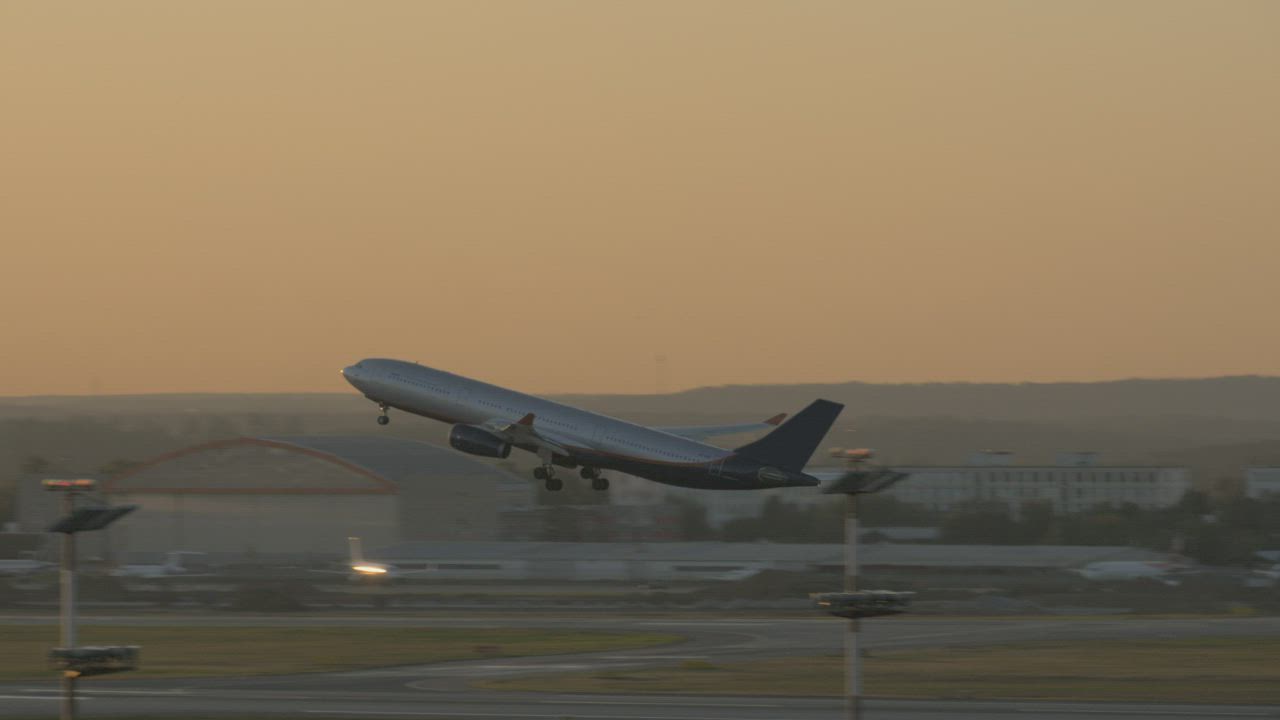
For air freight, use one of the seven Incoterms 2020 rules designed for any mode of transport: EXW, FCA, CPT, CIP, DAP, DPU or DDP. FOB, CFR, CIF and FAS are sea and inland waterway rules and should not be used for air cargo.
Key takeaways
- Seven Incoterms rules work for air; four (FAS, FOB, CFR, CIF) are for sea and inland waterway only.
- FCA is usually the best replacement for FOB on air shipments.
- Under CPT and CIP, risk passes to the buyer at origin even though the seller pays freight to destination.
- CIP requires the seller to buy all-risks cover (Institute Cargo Clauses A) under Incoterms 2020.
Which Incoterms rules can be used for air freight?
Seven: EXW, FCA, CPT, CIP, DAP, DPU and DDP. The International Chamber of Commerce (ICC) designs these "any mode" rules for air, road, rail and multimodal transport.
The other four rules (FAS, FOB, CFR and CIF) are defined around a ship: delivery happens alongside or on board a vessel. Using them for air cargo leaves the risk transfer point unclear, which is exactly what Incoterms are supposed to prevent.
Who pays what under each rule?
| Rule | Seller delivers at | Risk passes to buyer | Main freight paid by | Export clearance | Import duties |
|---|---|---|---|---|---|
| EXW Ex Works | Seller's premises | At seller's premises | Buyer | Buyer | Buyer |
| FCA Free Carrier | Named place, e.g. forwarder's terminal | At handover to carrier | Buyer | Seller | Buyer |
| CPT Carriage Paid To | Handover to first carrier | At origin | Seller | Seller | Buyer |
| CIP Carriage and Insurance Paid To | Handover to first carrier | At origin | Seller (plus insurance) | Seller | Buyer |
| DAP Delivered at Place | Named destination, ready for unloading | At destination | Seller | Seller | Buyer |
| DPU Delivered at Place Unloaded | Named destination, unloaded | At destination after unloading | Seller | Seller | Buyer |
| DDP Delivered Duty Paid | Named destination, cleared for import | At destination | Seller | Seller | Seller |
Why is FCA the best replacement for FOB?
Because FCA transfers risk when the goods are handed to the carrier, which is how air cargo actually works.
Air shipments are tendered at a forwarder's warehouse or the airline's cargo terminal, often a day or more before the flight. Under FCA, the seller clears the goods for export and delivers them to the named place; from that point the buyer bears the risk and arranges the main carriage. Name the place precisely, for example "FCA forwarder's warehouse, [address], Incoterms 2020".
What catches buyers out with CPT and CIP?
Risk passes at origin even though the seller pays the freight to destination.
If cargo is damaged in transit under CPT, the loss falls on the buyer, who must claim against the carrier or their own insurer. CIP closes part of that gap: under Incoterms 2020 the seller must buy insurance to the higher all-risks standard (Institute Cargo Clauses A), whereas CIF only requires minimum cover (Clauses C). For valuable cargo, check that the insured amount, at least 110% of the contract value under CIP, actually covers your exposure. Carrier liability alone is capped per kilogram, which is why we recommend insurance for high-value shipments.
When does EXW cause problems?
When the buyer cannot legally act as the exporter in the seller's country.
Under EXW the buyer is responsible for loading and export clearance, but in many countries only a local entity can file export declarations. In practice the seller ends up doing the paperwork without the contract saying so. FCA is usually the cleaner choice: the seller clears for export, the buyer controls the freight.
When does DDP make sense?
When the seller has a reliable way to act as importer of record at destination, for example e-commerce sellers using a fulfilment partner.
DDP gives the buyer a simple landed price, but the seller takes on import duties, taxes and compliance in a country where it may not be registered. If that is not possible, DAP with the buyer clearing customs is the safer alternative.
How do you write the Incoterm into a contract?
- State the rule, the precise named place and the version: "CPT Entebbe International Airport, Incoterms 2020".
- Make sure the named place matches what your forwarder can actually do.
- Align payment terms, insurance and documents (commercial invoice, packing list, AWB) with the rule.
- Agree separately who pays destination terminal handling and any storage after arrival.
Get the Incoterm right before you request an air freight quote, because it decides whose rate you are paying.
Still deciding whether to fly at all? Our air freight vs sea freight comparison covers cost, transit time, reliability and emissions for each mode.
Frequently asked questions
Can I use FOB for air freight?
It is common but technically wrong. FOB is defined for goods loaded on board a vessel. Use FCA, naming the forwarder's or airline's terminal as the place of delivery.
Which Incoterm is best for a first-time importer?
DAP or DDP keep most of the work with the seller, while FCA gives the buyer control of freight and costs. The right choice depends on who has the better freight rates and customs capability.
Do Incoterms decide who owns the goods?
No. Incoterms cover delivery, risk and costs. Ownership and payment terms are set by the sales contract.
Are Incoterms 2010 still valid?
Parties can still contract under 2010 if they say so, but Incoterms 2020 is the current version published by the International Chamber of Commerce.