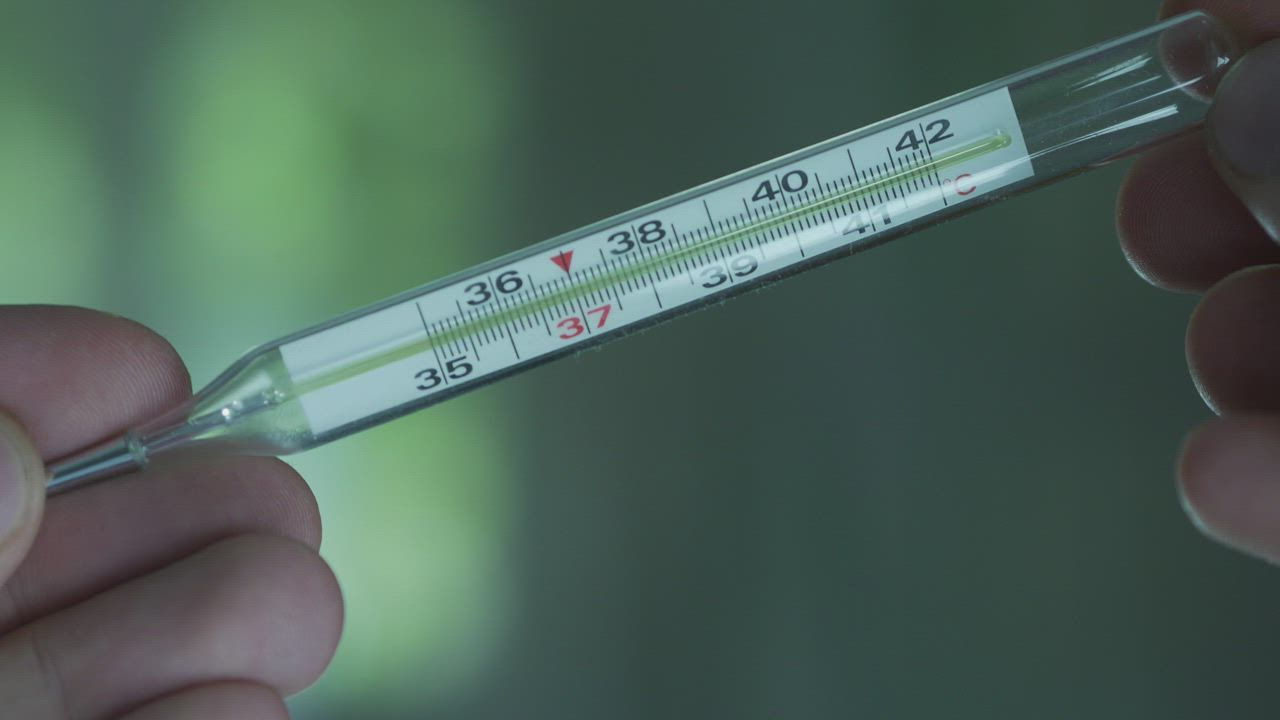
Most vaccines are shipped by air at 2 to 8 °C in qualified insulated or active containers, while frozen and ultra-cold products use dry ice or liquid nitrogen. The shipper chooses the packaging for the labeled range, and the journey follows IATA's Temperature Control Regulations and is monitored end to end.
Key takeaways
- The 2 to 8 °C cold chain is the standard for nearly all licensed human vaccines; a few are labeled frozen at around -20 °C.
- Some mRNA and viral-vector products need ultra-cold storage at -80 to -60 °C, usually with dry ice, which is a dangerous good.
- IATA's Temperature Control Regulations are the air-industry reference for transporting healthcare and life science products.
- Pick partners with temperature-controlled facilities, trained staff and monitoring, and check certifications such as CEIV Pharma.
What temperature do vaccines need during air transport?
Most vaccines need 2 to 8 °C, but the correct range is always the one printed on the product label.
A peer-reviewed review of vaccine logistics in PubMed Central describes the 2 to 8 °C cold chain as the basic industry standard for vaccine storage and transport, used for all current US FDA-licensed human vaccines apart from a few exceptions such as smallpox, chickenpox and shingles vaccines. Those exceptions are kept frozen. The same review notes that some COVID-19 vaccines, such as Moderna's mRNA-1273, use a frozen range of about -20 °C, while the Pfizer-BioNTech vaccine and the Ebola vaccine Ervebo require -80 to -60 °C. At the extreme end, cell-based products such as CAR-T therapies and one malaria vaccine travel below -150 °C using liquid nitrogen vapor.
| Category | Typical range | Typical refrigerant or method |
|---|---|---|
| Chilled | 2 to 8 °C | Gel packs, phase-change materials or powered active containers |
| Frozen | About -25 to -15 °C | Frozen packs or active freezer containers |
| Ultra-cold | -80 to -60 °C | Dry ice in an insulated thermal shipper |
| Cryogenic | Below -150 °C | Liquid nitrogen vapor shippers |
Treat this table as orientation, not as a specification. Each manufacturer defines the allowed range and the permitted time outside it.
How do the packaging options differ?
Passive shippers rely on insulation and refrigerants, while active containers use power to hold temperature.
Passive packaging is a qualified insulated box with gel packs, phase-change material or dry ice. It is validated to hold the range for a stated number of hours under a defined temperature profile, so the duration of the trip, including delays, must sit inside that window. Active containers have their own refrigeration system and can hold a set point for longer, which is useful on multi-leg routes. The review above gives a sense of scale for ultra-cold shipments: for one million doses of the Pfizer vaccine, it estimates more than 205 thermal shippers weighing roughly 7.5 metric tons including dry ice and occupying about 19 cubic meters. Packaging, not the vaccine itself, often drives the volume and weight you pay for, so check chargeable weight before you quote.
For a wider look at ranges, Good Distribution Practice and packaging choices, see our guide to pharma cold chain air freight.
What rules apply to vaccine shipments by air?
IATA's Temperature Control Regulations (TCR) are the air industry's reference for moving healthcare and life science products, alongside the product label and Good Distribution Practice.
On its vaccine transport page, IATA says the TCR document contains the information and standards needed to transport products such as vaccines and medication correctly. IATA also publishes guidance on vaccine and pharmaceutical logistics, which stresses temperature-controlled facilities and equipment, staff trained for time- and temperature-sensitive products, and robust monitoring. Where dry ice is used, remember that it is regulated for air transport; read our overview of dangerous goods classes in air freight for how those rules work in general.
How is the temperature monitored in transit?
Data loggers or real-time trackers travel inside the package and record temperature from tender to delivery.
The record matters as much as the packaging. If a shipment arrives with an excursion, the logger data lets the manufacturer's quality team decide whether the product can still be released. Practical points:
- Place the logger with the product, not on the outside of the box.
- Set alarm limits to the labeled range and agree who is called if they trip.
- Download and share the data on delivery, and keep it with the batch records.
- Confirm the logger is calibrated and approved for the lane.
What should you look for in an air cargo partner?
Look for temperature-controlled storage, trained people and proof of an audited quality system.
IATA's vaccine guidance highlights the availability of temperature-controlled facilities and equipment and trained staff as priorities. Certification helps you screen candidates: IATA's CEIV Pharma program independently assesses airlines, forwarders and handlers, and IATA says more than 3,500 professionals have completed its vaccine transportation training. Our explainer on CEIV Pharma certification shows how to use it, and what it does not replace. IATA's ONE Source platform lets you search for partners by capability and certification. Jumbo Air Cargo supports temperature-sensitive freight through JumboPharma.
What goes wrong most often, and how do you avoid it?
Most failures come from planning gaps rather than the flight: unqualified packaging, missed connections and unprepared receivers.
- Packaging run past its validated duration. Build in time for delays and choose a validated window longer than the scheduled journey.
- Documentation errors. Dry ice declarations, airway bill details and import permits must be correct before tender.
- Handover gaps. Agree who holds the freight at each stage, and prefer direct flights where possible.
- No receiver plan. Confirm cold storage and staff at destination, including weekends and holidays.
- Refrigerant top-up not planned. For longer routes, ask whether dry ice replenishment is available at transit points.
What did large-scale vaccine campaigns teach air cargo?
They showed that capacity, customs speed and security matter as much as cold storage.
When IATA issued its guidance for vaccine and pharmaceutical logistics ahead of global COVID-19 vaccine distribution, it described the task as the largest and most complex global logistics operation ever undertaken. Trade press coverage of the guidance, including DC Velocity, lists the areas it covers: temperature-controlled storage, the roles and responsibilities of each party, air cargo capacity and connectivity, refrigerants such as dry ice, accelerated customs and border management, and shipping security to guard against theft.
Those themes apply to everyday vaccine lanes too. Even a small shipment crosses several hands, and delays at customs or a missed connection can use up the validated time of a passive shipper. Ask partners how they handle clearance for pharmaceuticals, whether they can prioritize time-sensitive freight, and what security measures protect high-value product on the ground.
What is the simple checklist before you ship?
Confirm the labeled range, qualify the packaging, plan the route, declare any dry ice, add a logger and brief the receiver.
If you do those six things and use partners with proven pharma handling, you remove most of the risk that a vaccine shipment arrives out of range. Always follow the manufacturer's instructions and your quality agreement; this article is general information, not a substitute for them.
Frequently asked questions
What temperature are vaccines shipped at?
Most are shipped at 2 to 8 °C. A few are labeled frozen (about -20 °C) and some ultra-cold products are held at -80 to -60 °C. Always follow the manufacturer's labeled range.
Why is dry ice a problem on aircraft?
Dry ice is solid carbon dioxide and is regulated as a dangerous good in air transport, so quantities, packaging and marking must follow the rules. Your shipper or forwarder should declare it correctly.
Can vaccines go through airport X-ray?
Check the manufacturer's instructions and the screening arrangements for your lane; packaging and handling notes should be agreed with the carrier before the shipment is tendered.
Who sets the rules for air transport of vaccines?
IATA publishes the Temperature Control Regulations and vaccine logistics guidance, and the product's own label and Good Distribution Practice define the required conditions.