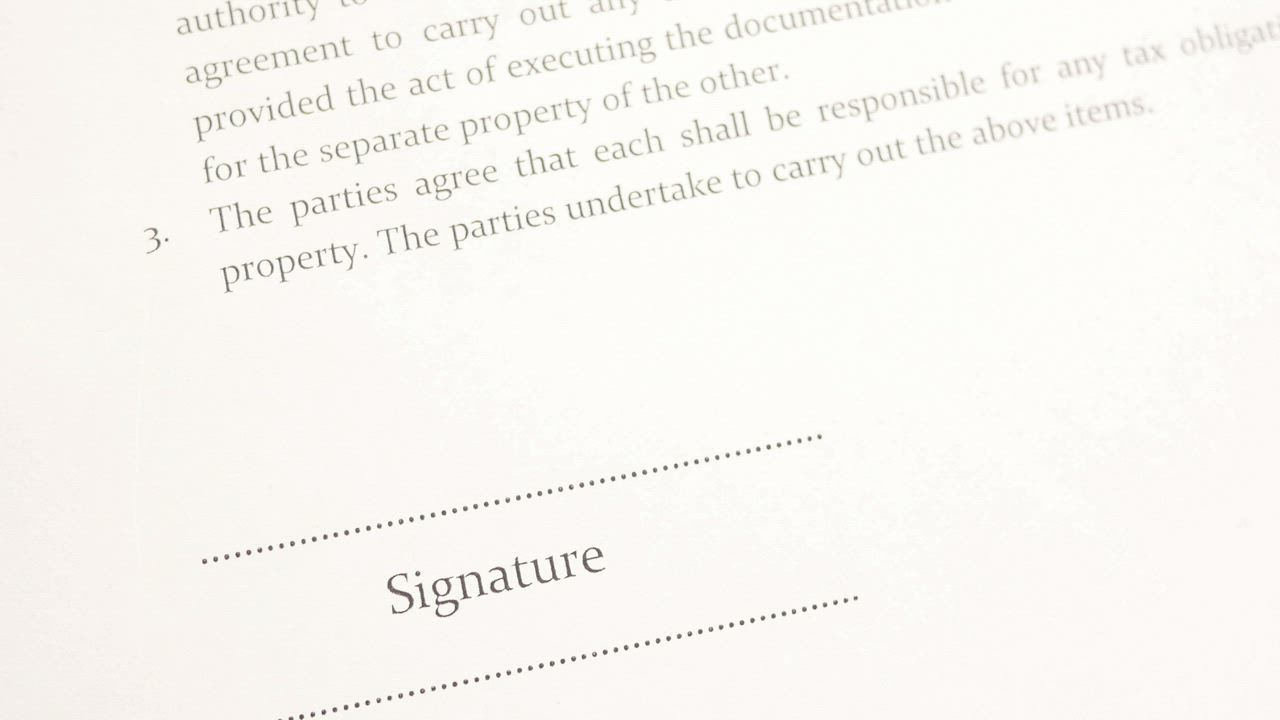
The Shipper's Declaration for Dangerous Goods is the signed form in which a trained shipper states that the consignment is fully and accurately described by its proper shipping name, correctly classified, packed, marked and labeled, and in proper condition for air transport. To fill it in, complete the shipper, consignee, air waybill number, aircraft limitation, airports, the nature and quantity of the dangerous goods in column order, emergency telephone number and signatory details, then sign it by hand.
Key takeaways
- The declaration is the shipper's legal statement that the goods are correctly described, classified, packed, marked and labeled for air transport.
- Enter the dangerous goods in column order, starting with the UN or ID number, and cross out the aircraft limitation that does not apply.
- IATA does not accept a typewritten signature on the form, and carriers expect a color print with the red hatched borders.
- US rules (49 CFR 172.204) require two copies for the aircraft operator, and carriers such as DHL Express ask for more, so check before you tender.
- Errors in the declaration are a common reason for refused cargo, which is why IATA is pushing electronic declarations with built-in checks.
What is a Shipper's Declaration for Dangerous Goods?
It is the document in which the shipper certifies, in writing and under its own name, that dangerous goods offered to an airline are correctly described and prepared for air transport.
The wording printed on the form is fixed. Under 49 CFR 172.204(c), the air certification states that the contents of the consignment are fully and accurately described by proper shipping name, classified, packaged, marked and labeled, and in proper condition for carriage by air according to applicable national governmental regulations, and adds: "I declare that all of the applicable air transport requirements have been met." The IATA form used for international flights carries equivalent text and refers to international and national governmental regulations.
The form is separate from the air waybill. The air waybill is the transport contract and tells the airline that dangerous goods are inside; the declaration is the shipper's compliance statement that the airline checks during acceptance. For the wider framework of classes and shipper duties, read our guide to dangerous goods in air freight.
When do you need one, and who can sign it?
Most dangerous goods shipments by air need a declaration, and it must be signed by a person trained to the required standard on behalf of the shipper.
Some consignments are exempt from the full form. Dry ice used as a refrigerant for non-dangerous goods, and excepted quantities, are documented through entries on the air waybill instead. Limited quantities and lithium batteries shipped under Section I or Section IB still need the declaration. Our guides to shipping dry ice by air and shipping lithium batteries by air explain those cases, and the IATA Dangerous Goods Regulations (DGR) entry for your UN number is the final authority.
Signing is a legal act. Under 49 CFR 172.204(d), the certification must be legibly signed by a principal, officer, partner or employee of the shipper or its agent. A forwarder or packer can sign as the shipper's agent only if its signatory is trained, and the shipper remains responsible for the accuracy of the data it supplied. If you use a forwarder, see our dangerous goods forwarder checklist for how to agree who prepares and signs.
How do you fill in the declaration, box by box?
Work through the form from the top left: parties and air waybill first, then transport details, then the dangerous goods lines, then the emergency contact and signature.
The table follows the instructions DHL Express publishes with its form, which in turn cite IATA DGR Section 8 (paragraph 8.1.6).
| Box | What to enter |
|---|---|
| Shipper | Full name and address of the shipper |
| Air Waybill Number | The number of the air waybill the declaration will be attached to |
| Page of pages | For a one-page declaration, "Page 1 of 1 pages" |
| Shipper's Reference Number | Optional internal reference |
| Consignee | Full name and address of the consignee |
| Transport Details | Cross out "Passenger and Cargo Aircraft" if the goods must go on cargo aircraft only; cross out "Cargo Aircraft Only" if they may go on either |
| Airport of Departure and Destination | Full name of the airport or city |
| Shipment Type | Cross out "Non-radioactive" or "Radioactive", whichever does not apply |
| Nature and Quantity of Dangerous Goods | UN or ID number, proper shipping name, class or division (with subsidiary risk), packing group, quantity and type of packaging, packing instruction and authorization, in column order |
| Additional Handling Information | Any special handling information that applies (DGR 8.1.6.11) |
| Emergency Telephone Number | A number that can be reached around the clock |
| Name and Title of Signatory, Place and Date | The person actually signing, and where and when they signed |
Two points catch people out. First, the entries in the dangerous goods block must be in sequence within the columns provided (DGR 8.1.6.10), so keep each item aligned under its heading and move to a new line when text will not fit. Second, DHL's instructions note that all dangerous goods shipments to, from, within or transiting the United States must include 24-hour emergency response information (IATA 2.9.2, state variation USG-12), so a voicemail line or an office number that closes at 5 p.m. will not do.
How do you get the quantity and aircraft limitation right?
Take both from the DGR entry for the UN number and the packing you actually use, never from the product data sheet alone.
The aircraft limitation decides whether a package may fly on passenger aircraft. Standalone lithium batteries and many other items are limited to cargo aircraft only, which affects routings and lead times. The quantity entered must match the net or gross quantity marked on the package, and the packing instruction must match the packaging used. A mismatch between the form and the box is among the first things an acceptance agent checks.
Keep the classification data behind each line on file: safety data sheet, any approvals, and for batteries the UN 38.3 test summary. The airline does not have to accept your reading of the rules, only to check that the declaration and the package agree.
Handwritten or typed signature: how many copies and what color?
Sign by hand, print in color and provide at least the copies your carrier asks for.
- Signature: DHL's instructions cite IATA 8.1.4.1 for the rule that a typewritten signature is not acceptable. The US certification rule is looser: 49 CFR 172.204(d) allows manual, typewriter or mechanical signatures. Airlines usually apply the IATA standard on international flights, so a wet-ink signature avoids a rejection.
- Red hatching: the standard form has diagonal red hatching along its borders. DHL asks for a color printer so the hatching prints red, and a black-and-white copy of the form may be refused.
- Copies: the form states that two completed and signed copies must be handed to the operator, and 49 CFR 172.204(c) also calls for two. DHL Express's instructions ask for at least four signed copies, so confirm your carrier's count.
What mistakes get dangerous goods refused?
Most refusals come from a declaration that does not match the package or the air waybill, or one that is incomplete.
| Mistake | Why it causes trouble | Fix |
|---|---|---|
| Wrong or missing proper shipping name | The certification says the goods are fully and accurately described by it | Copy the name from the DGR entry, not a trade name |
| Quantity that differs from the package marking | Acceptance staff compare the form with the package | Weigh the packed package and enter the same net quantity |
| Both aircraft limitations left uncrossed | The airline cannot tell where the goods may fly | Cross out the option that does not apply |
| Typed signature or untrained signatory | IATA rules require a handwritten signature by a trained person | Have the trained person sign in ink |
| Black-and-white copy of the form | The red hatching is part of the standard form | Print on a color printer |
| No 24-hour emergency number | Required for shipments in the US system | List a monitored number with access to the product data |
IATA's own figures show how costly small errors are. According to Cargo News Wire's report of IATA's March 2026 announcement, the global average for dangerous goods shipments rejected for incomplete or inaccurate declarations is 4.5%.
Is the electronic declaration replacing paper?
Slowly: IATA launched a fully electronic declaration tool in March 2026, but it reports that 95% of declarations still arrive on paper.
The same report says IATA unveiled DG Digital at its World Cargo Symposium in Lima on March 13, 2026. It is built into DG AutoCheck, and a pilot in Japan with ANA, JAL and six forwarders achieved a 0.5% rejection rate against the 4.5% global average. IATA's Frederic Leger said the tool gives all stakeholders access to the same document so issues can be resolved before the cargo moves. Whether your airline accepts an electronic declaration depends on the airline, the origin and the destination, so confirm before relying on it.
The rules also change on a schedule. IATA's DGR page says the 68th edition's updates take effect on 1 January 2027, so use the edition in force on the date you tender the shipment.
What should you do before tendering the shipment?
Check the declaration against the package and the air waybill, then confirm acceptance with the airline or your forwarder before the cargo leaves your dock.
- Confirm the UN number, proper shipping name, class, packing group and packing instruction in the current DGR.
- Pack, mark and label first, then weigh, so the quantity on the form is the quantity on the box.
- Complete the form in column order and decide the aircraft limitation from the DGR.
- Have a trained signatory sign by hand and print the required number of color copies.
- Make sure the air waybill's dangerous goods entries match, and arrange acceptance in advance.
Jumbo Air Cargo's general cargo service can discuss your shipment, but dangerous goods acceptance always depends on the airline and the paperwork. To estimate the cost of the lane, use the air freight cost calculator.
Frequently asked questions
Who must sign a Shipper's Declaration for Dangerous Goods?
A person who is trained in dangerous goods to the required standard, acting for the shipper, signs the declaration and has the shipper's legal responsibility for it. Under 49 CFR 172.204 the certification is signed by a principal, officer, partner or employee of the shipper or its agent.
Can I type my signature on the declaration?
For international air shipments under the IATA Dangerous Goods Regulations, no: DHL Express's instructions cite IATA 8.1.4.1 for the rule that a typewritten signature is not acceptable. US rule 49 CFR 172.204(d) allows manual, typewritten or mechanical signatures, but airlines and forwarders usually apply the stricter IATA practice, so sign by hand.
How many copies of the declaration do I need?
The standard form says two completed and signed copies must be handed to the operator, and 49 CFR 172.204(c) also requires two copies for the aircraft operator. Some carriers ask for more; DHL Express's instructions ask for at least four signed copies with red hatching, so check your carrier's requirement.
Do I need a declaration for every dangerous goods shipment?
No. Some shipments, such as dry ice used to cool non-dangerous goods or excepted quantities, need only entries on the air waybill, while most other dangerous goods shipments, including lithium batteries under Section I and Section IB, need the full declaration. Check the Dangerous Goods Regulations entry for your UN number.
What is an electronic dangerous goods declaration?
It is a digital version of the declaration that lets shippers, forwarders and airlines work from the same data and check it before the cargo moves. In March 2026 IATA launched DG Digital, built into its DG AutoCheck platform, but IATA also reports that 95% of declarations are still received on paper.