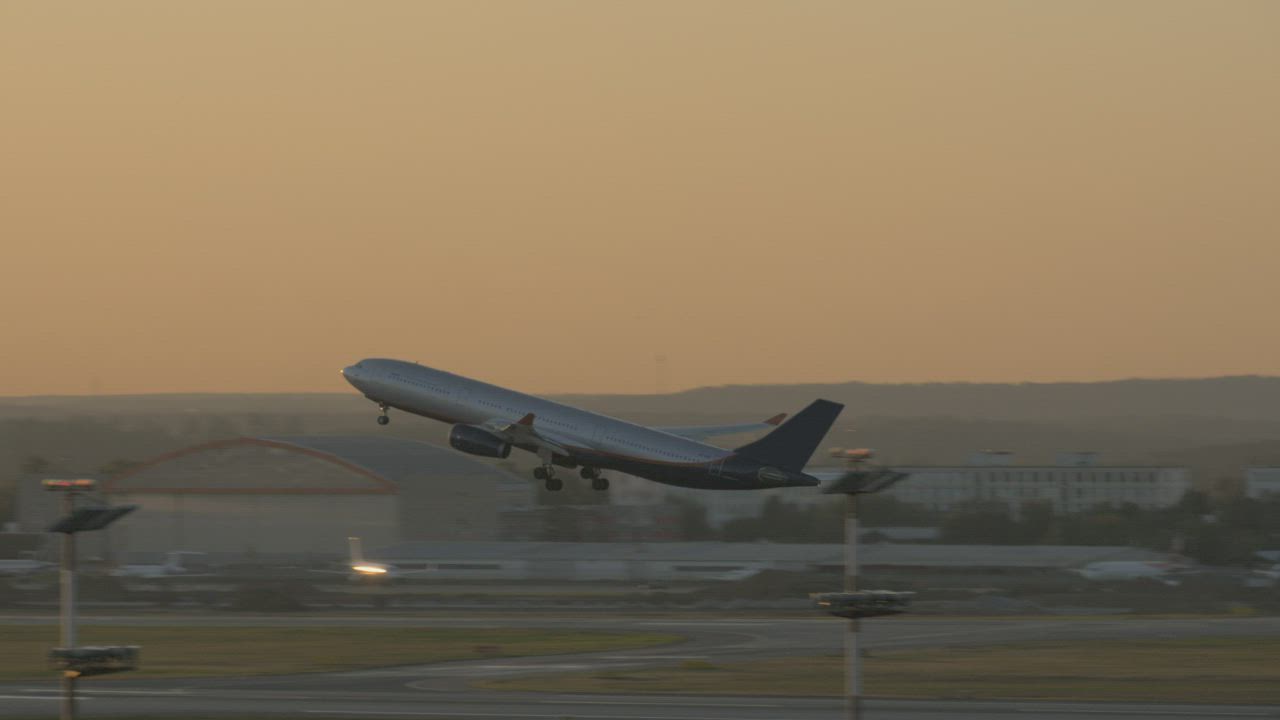
A complete e-bike or e-scooter is classed as a battery-powered vehicle, not as equipment, so it ships under UN3556 (lithium-ion) or UN3171 and Packing Instruction 952. IATA's 2026 guidance requires vehicles with batteries over 100 Wh to travel at no more than 30% state of charge, or an indicated capacity of 25% or less.
Key takeaways
- IATA treats e-bikes and e-scooters as vehicles under Special Provision A214, so UN3481 (batteries contained in equipment) is the wrong entry.
- Lithium-ion vehicles use UN3556 (UN3558 for sodium-ion); older UN3171 still applies to other battery-powered vehicles.
- Over 100 Wh, the battery must be at 30% state of charge or less, or show 25% or less; above that needs State approval.
- A UN 38.3 test summary must be available for the battery, and spare batteries in the same box are declared as UN3480.
- The 100 Wh exception that exists for small equipment does not apply to vehicles; the full dangerous goods rules still apply.
Can e-bikes and e-scooters be shipped by air?
Yes, but only as fully declared dangerous goods, because the lithium-ion battery that powers them is regulated cargo.
The rules sit in the IATA Dangerous Goods Regulations (DGR) and the ICAO Technical Instructions. IATA's 2026 battery guidance document, based on the 67th edition of the DGR, names e-bikes among the products powered by lithium-ion batteries. What trips up many shippers is not whether the bike can fly but which entry to use. Our general guide to shipping lithium batteries by air covers loose batteries and batteries in equipment; a complete e-bike or e-scooter follows a different path.
Is an e-bike "equipment" or a "vehicle"?
An e-bike or e-scooter is a vehicle, and that decides everything else about the shipment.
IATA's guidance on small vehicles powered by lithium batteries quotes Special Provision A214, which defines vehicles as "self-propelled apparatus designed to carry one or more persons or goods." Its examples include scooters, bicycles with a motor and self-balancing vehicles. Equipment, by contrast, means things like lawn mowers and cleaning machines. IATA's document names airwheels, solowheels, hoverboards and e-bikes as small vehicles that meet the vehicle definition.
The practical result: a vehicle cannot be declared as UN3481, "lithium ion batteries contained in equipment." The 2026 guidance repeats this in an FAQ about a vehicle shipped with spare batteries.
Which UN number applies: UN3556 or UN3171?
For a lithium-ion e-bike or e-scooter, the current entry is UN3556, Vehicle, lithium-ion battery powered, and both it and UN3171 are handled under Packing Instruction 952.
The 2026 guidance lists the battery-powered vehicle entries in one place. IATA's older 2021 document, written for the 62nd edition of the DGR, concluded that these small vehicles belonged under UN3171, Battery-powered vehicle. The vehicle entries have since been split by battery chemistry, so check the current DGR edition or ask your dangerous goods forwarder which entry your airline expects.
| UN number | Proper shipping name (IATA 2026 guidance) | Typical product |
|---|---|---|
| UN3556 | Vehicle, lithium-ion battery powered | E-bike, e-scooter, hoverboard |
| UN3557 | Vehicle, lithium metal battery powered | Rare; lithium metal powered vehicle |
| UN3558 | Vehicle, sodium ion battery powered | Sodium-ion powered vehicle |
| UN3171 | Battery-powered vehicle | Other battery-powered vehicles, such as wet-battery vehicles |
| UN3166 | Vehicle, flammable gas or liquid powered (including hybrid) | Motorcycle with a combustion engine |
What state of charge is required for e-bike batteries?
For vehicles with a battery over 100 Wh, the battery must be at no more than 30% of rated capacity, or the indicated capacity must not exceed 25%.
The 2026 guidance sets this out for vehicles powered by batteries over 100 Wh. A higher charge is allowed only with the approval of the State of origin and the State of the operator, under written conditions those authorities set. For batteries of 100 Wh or less, the same limit is strongly recommended but not mandatory. IATA notes that indicated battery capacity is easier for shippers to read, and that 25% is not exactly equal to 30% state of charge but gives an equivalent safety benefit. The rule exists because a battery at a lower charge is less prone to thermal runaway.
Many e-bike displays show only bars or a percentage, so confirm the figure on arrival at the packing point rather than trusting the last ride.
How must the vehicle be packed and documented?
Pack to Packing Instruction 952, declare the net weight of the complete vehicle, and have the right paperwork ready before tender.
- No small-battery exception. IATA's vehicle guidance states that classifying under UN3171 gives no exception from the full regulations, including for batteries of 100 Wh or less.
- Net quantity. On the Shipper's Declaration, the net quantity for UN3171 is the net weight of the whole vehicle. IATA says there is no limit on battery weight in a vehicle and no difference between passenger and cargo aircraft quantities. See our walkthrough of the Shipper's Declaration for dangerous goods.
- Handling codes. The 67th edition introduced special handling codes: RVB for UN3556, UN3557 and UN3558, and RVO for UN3171. IATA says their use is recommended, not mandatory.
- Air waybill. The dangerous goods details travel with the AWB; if you need to follow the shipment, use the AWB tracking page.
Do vehicle batteries need a UN 38.3 test summary?
Yes. The lithium cells and batteries must be of a type that passed the UN 38.3 tests, and a test summary must be available.
IATA's 2026 FAQ states that the test summary requirement applies to manufacturers and distributors of battery-powered vehicles (UN3171, UN3556, UN3557 and UN3558) and hybrid vehicles with lithium batteries. IATA adds that the summary has no expiry unless the battery type has changed in a way that requires re-testing. Our article on the UN 38.3 test summary lists the data elements it needs. For consumer e-bikes imported from overseas, ask the supplier for the summary before booking, not at the airport.
What about spare batteries shipped with the bike?
Spare batteries in the same package are declared as UN3480, not UN3481, and you have two ways to pack them.
IATA's FAQ covers a UN3556 vehicle shipped with two spare batteries. Because a vehicle cannot be declared as equipment, the package cannot be UN3481. The first option is "all packed in one": declare UN3556 and UN3480 together, with the marks and hazard labels for both. IATA notes that UN3556 has no specific quantity limit, so no Q-value calculation is needed for that combination. The second option is to package and label the vehicle and the spare batteries separately, then place them in an overpack that shows all required marks and labels plus the word "OVERPACK." A battery shipped alone as UN3480 is cargo aircraft only and must also meet the 30% charge limit, as covered in the lithium battery guide.
Common mistakes to avoid
Most rejections come from classification and charge level, not from the bike itself.
- Declaring UN3481 because "it is an electric product." IATA says a vehicle is not equipment.
- Shipping at full charge. A battery over 100 Wh above 30% needs State approval.
- Assuming the 100 Wh exception helps. It does not change the full application of the regulations for UN3171 vehicles.
- Booking without a trained dangerous goods shipper, a test summary or an airline that accepts the entry. Acceptance is the carrier's decision.
- Skipping the battery's condition check. Damaged or defective batteries are a separate, much stricter category.
Operators handling many lithium shipments can also look at IATA's CEIV Li-batt program, which certifies shippers, forwarders, handlers and airlines in the lithium supply chain. If you need help preparing a dangerous goods shipment, Jumbo Air Cargo's general cargo service is a place to start. Weight and volume also drive the freight charge, so run the numbers in the air freight cost calculator before you quote a buyer.
Frequently asked questions
Can you ship an e-bike by air?
Yes, as declared dangerous goods. IATA's 2026 guidance lists UN3556 for lithium-ion battery-powered vehicles and requires Packing Instruction 952. It must be offered by a trained shipper to an airline that accepts it.
What state of charge must an e-bike battery be for air freight?
For vehicles with batteries over 100 Wh, IATA's 2026 guidance requires no more than 30% state of charge, or an indicated capacity of 25% or less. Charge above 30% is allowed only with approval of the State of origin and the State of the operator.
Is an e-scooter UN3481 or UN3556?
IATA's guidance says a vehicle cannot be declared as UN3481, which applies to equipment. Self-propelled apparatus that carries people or goods, including scooters and bicycles with a motor, meets the vehicle definition in Special Provision A214.
Can I ship a spare e-bike battery in the same box?
Yes, in two ways. IATA's FAQ describes declaring the vehicle (UN3556) and spare batteries (UN3480) together as "all packed in one", or packing them separately inside a labeled overpack.
Do I need a UN 38.3 test summary for an e-bike?
Yes. IATA says the test summary requirement covers manufacturers and distributors of battery-powered vehicles, including UN3171, UN3556, UN3557 and UN3558.