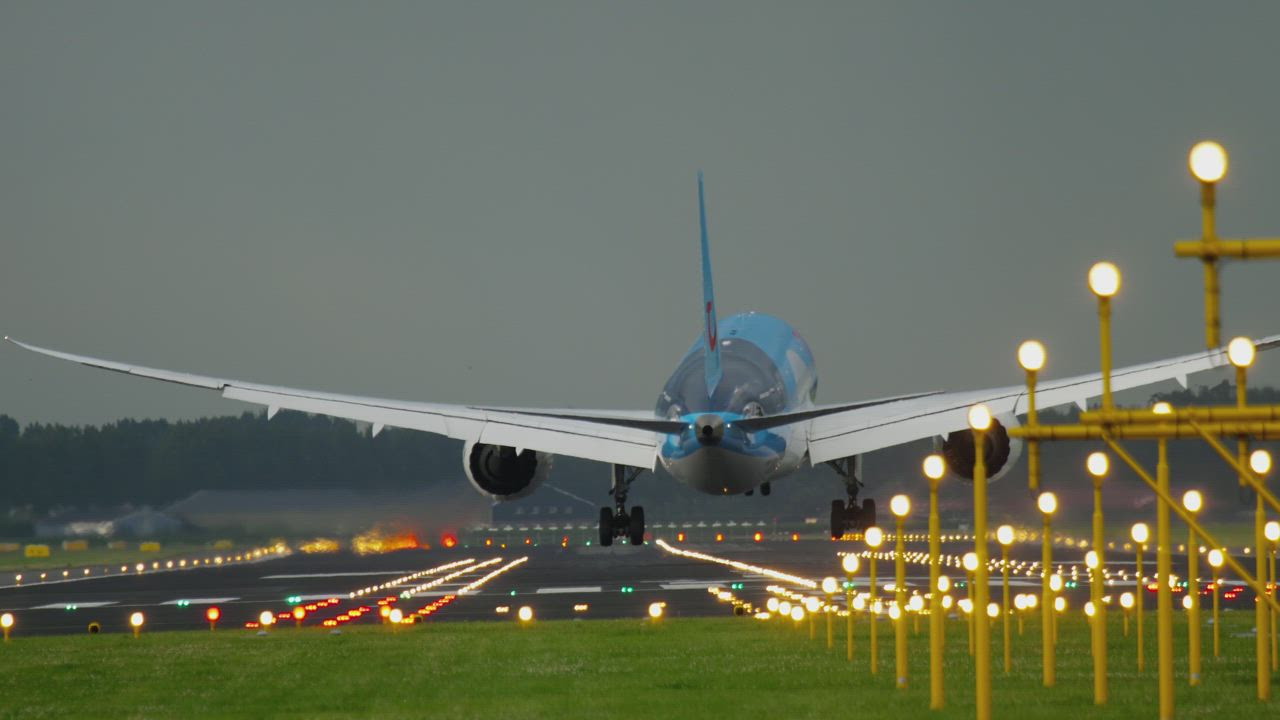
To ship inventory to Amazon FBA by air, create the shipment in Seller Central first, prep and label every unit yourself, then book the flight and arrange delivery to the assigned fulfillment center. Air freight only makes sense for fast-selling, light, high-value stock, because it moves goods quickly but costs more per kilogram than sea.
Key takeaways
- Create the FBA shipment before you book the flight, because labels, destinations and box details come from it.
- Amazon's developer documentation says US sellers must prep and label all products before sending them to the fulfillment network.
- Shipments can use an Amazon-partnered carrier or a non-partnered carrier, for small parcels or pallets, so plan the last leg as carefully as the flight.
- Restock limits cap how much you can send in, so confirm them before you pay for air capacity.
- Keep air for stock-out risks and launches; use the cheaper modes for steady replenishment.
Can you ship inventory to Amazon FBA by air?
Yes, but the flight is only one leg of a process that starts in Seller Central and ends at an Amazon fulfillment center.
Amazon's Fulfillment by Amazon page says sellers move products to a fulfillment center with the Send to Amazon workflow, which guides you through creating a shipment. Amazon's Fulfillment Inbound API documentation adds that shipments can travel with either an Amazon-partnered carrier or a non-partnered carrier, as small parcel deliveries or as pallets (LTL or FTL). Air freight fits into that picture as the long-haul leg: your goods fly from the origin airport to a destination airport, clear customs, and are then trucked to the address Amazon assigned.
That sequence matters. The destination, box labels and shipment details come from Amazon, so they must exist before your forwarder books anything.
What is the step-by-step process for an FBA air shipment?
Work backward from the delivery appointment, and create the shipment before the freight is booked.
- Check eligibility and limits. Confirm the product is allowed in FBA and look at your restock limits. Amazon says these limits determine how much inventory you can ship in, and going over them may raise storage costs.
- Create the shipment. Use Send to Amazon to build the shipment plan, choose units per box and get the destination.
- Prep and label. Amazon's developer documentation states: "The seller must prep and label all products before they send them to the Amazon fulfillment network in the US." That work is yours, or your supplier's, before the cartons are closed.
- Print the box or pallet labels. The API documentation notes that labels and, for pallets, the bill of lading are needed to create shipments.
- Book the air freight. Give your forwarder the carton count, dimensions, gross weights, commodity description and delivery address. Use the chargeable weight calculator to estimate billable weight first.
- Clear customs and deliver. After arrival the cargo is cleared and delivered to the fulfillment center; keep the tracking details from your air waybill handy (see how to track an air waybill).
- Monitor receiving. Amazon says you can track shipments to its fulfillment network, so watch for discrepancies between what you sent and what was received.
Which carrier option should you use for the last leg?
That depends on whether you want Amazon to arrange transport or to keep control yourself.
| Option | Who arranges transport | Best for |
|---|---|---|
| Amazon-partnered carrier | Amazon, through the inbound workflow | Domestic small parcel or pallet moves where you want Amazon-managed carrier booking |
| Non-partnered carrier | You or your forwarder | International shipments that include an air leg and customs clearance |
Both options appear in Amazon's documentation as ways to send small parcel or pallet shipments. For an international air shipment, the flight and import clearance sit outside what a domestic carrier program covers, so most sellers arrange them through a freight forwarder and then plan the final truck delivery with that forwarder. Ask your provider exactly where its responsibility ends, and whether it will deliver to the Amazon facility.
What does prep and labeling actually involve?
It means getting each unit scannable and protected before it leaves your supplier.
Amazon's documentation puts the responsibility on the seller in the US marketplace, so it is worth building the requirements into your purchase order. Typical steps include applying the correct product label to each unit, bagging or protecting items that need it, and labeling each outer carton with the shipment labels from Seller Central. Because rules differ by product category and change over time, treat Amazon's current Seller Central guidance as the authority rather than any summary, including this one.
Doing this at the factory or a prep center before the flight is usually cheaper and safer than discovering a labeling problem at the fulfillment center. A missing or wrong label is a receiving problem you cannot fix from another continent.
How do you pack cartons for air freight and FBA together?
Pack to satisfy both the airline and Amazon: sturdy, labeled, consistent and within size limits.
- Use uniform cartons. Mixed sizes stack poorly on pallets and complicate unit load planning (see our guide to ULDs and air cargo pallets).
- Keep weight and dimensions accurate. Air freight is billed on the greater of actual and volumetric weight, so oversized cartons around small products waste money.
- Match every document. The packing list, commercial invoice, air waybill and Amazon shipment details should agree on carton counts and contents.
- Declare regulated goods. Batteries, aerosols and some liquids are dangerous goods for air transport. IATA's Dangerous Goods Regulations govern them, and our lithium battery guide covers the most common case. Rejected cargo means a rolled flight and a possible stock-out.
When is air freight worth it for FBA stock?
When the cost of running out of stock is higher than the freight premium.
IATA's e-commerce logistics page frames e-commerce as a major driver of air cargo, largely because speed matters to online sellers. For an FBA seller, air is easiest to justify in these cases:
| Situation | Better mode | Why |
|---|---|---|
| Best seller about to stock out | Air | Lost ranking and sales can cost more than the freight |
| New product launch with a fixed date | Air | Speed protects the launch window |
| Light, high-value items | Air | Freight is a small share of unit value |
| Bulky, low-margin goods | Sea or sea-air | Air cost per unit may erase the margin |
| Steady, predictable replenishment | Sea | Plan ahead and ship the cheapest way |
Many sellers split stock: a first batch by air to start selling, the rest by sea. Our air freight vs sea freight comparison sets out the trade-offs, and the guide to air freight for e-commerce sellers helps you test the numbers on your own products. Transit times are estimates rather than guarantees, so see how long air freight takes and leave a buffer.
What mistakes delay FBA air shipments?
Mostly mistakes in preparation, not in the flight.
- Booking before creating the shipment, so labels and destination are unknown.
- Ignoring restock limits, then sending more than Amazon will accept without extra storage cost.
- Skipping supplier prep instructions, leaving units unlabeled on arrival.
- Weak cartons or pallets that fail airline acceptance checks.
- Unclear delivery responsibility, where nobody owns the truck from airport to fulfillment center.
- Forgetting customs paperwork, especially accurate values and descriptions on the invoice.
What is the bottom line for FBA air freight?
Treat the Amazon shipment as the master plan and the flight as one step inside it.
Create the shipment first, prep and label every unit, choose the carrier setup that covers the last leg, and keep air for the stock that justifies it. If you want help with time-definite moves, Jumbo Air Cargo's e-commerce and express service is one place to start, and the same questions apply to any forwarder you evaluate.
If your inventory ships from China, read our guide to air freight from China to the USA for gateways, customs and current rate benchmarks.
Frequently asked questions
Can you ship to Amazon FBA by air freight?
Yes. Amazon's inbound process supports shipments by Amazon-partnered or non-partnered carriers, as small parcel or pallet deliveries, and a forwarder can handle the air leg and the delivery to the fulfillment center.
Do I have to prep and label my products myself?
For the US marketplace, Amazon's Fulfillment Inbound API documentation states that the seller must prep and label all products before they send them to the Amazon fulfillment network. Check Seller Central for the rules in your marketplace.
Is air freight worth it for FBA replenishment?
Only for some stock. It suits light, high-value, fast-selling items or products at risk of going out of stock; bulky or slow sellers usually belong on sea or sea-air.
Do restock limits apply to air shipments?
Yes. Amazon says restock limits determine how much inventory you can ship into its fulfillment network, and exceeding them may increase storage costs, whatever mode you use.