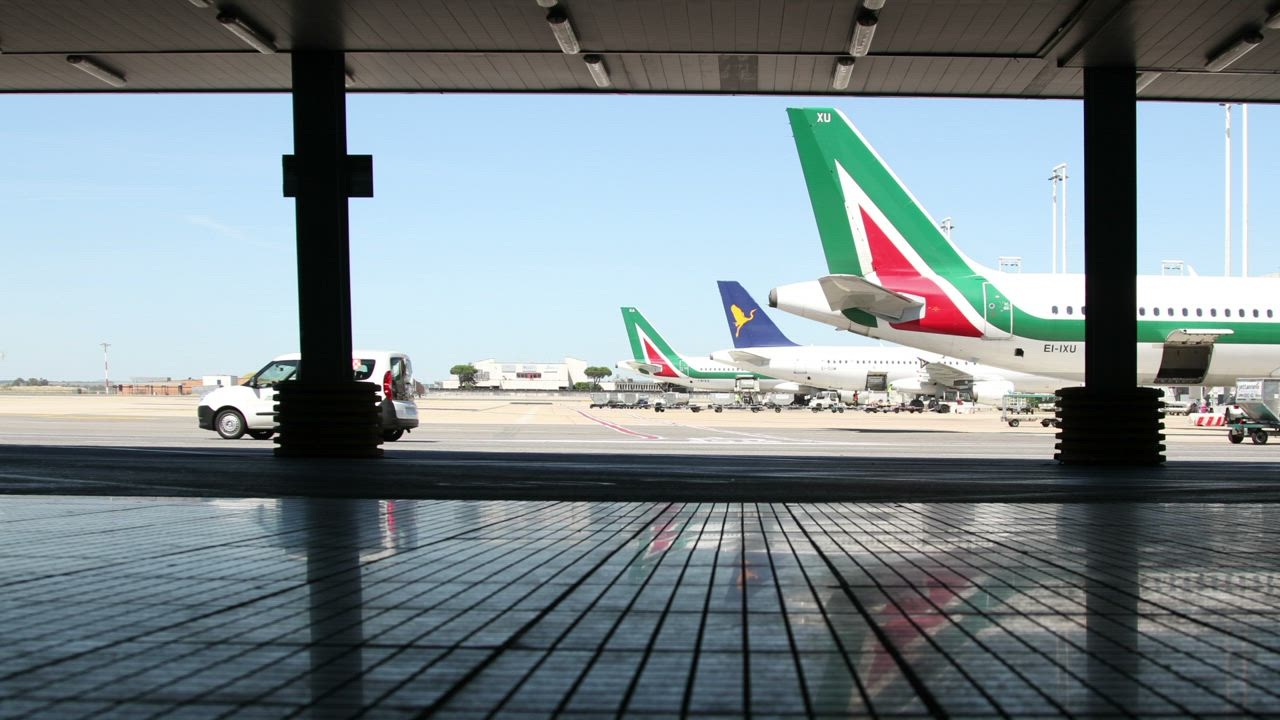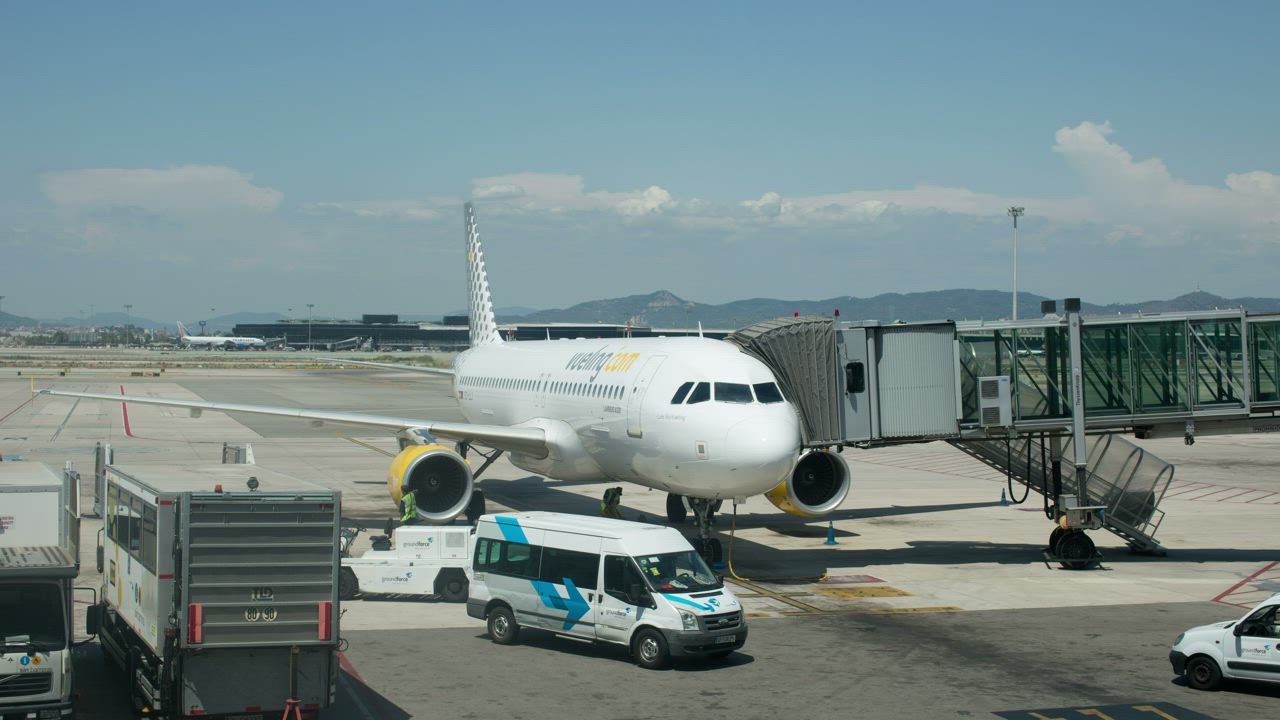
An AOG (aircraft on ground) shipment is an urgent part or tool needed to get a grounded aircraft flying again, so it moves on the fastest available routing, often with priority handling or a charter. It also needs the right release certificate, because a part without one cannot go back on the aircraft.
Key takeaways
- AOG means the aircraft cannot fly until the part arrives, so the part's speed is weighed against the cost of the grounding, not against normal freight rates.
- Routing options run from priority handling on scheduled flights to onboard couriers and full charters; the right one depends on the clock and the part's size.
- Airworthiness paperwork (such as FAA Form 8130-3 or EASA Form 1) travels with the part and is often needed for customs relief too.
- Quoted cost-of-grounding figures vary widely and come mostly from trade and vendor sources, so use them as ranges, not as facts about your own fleet.
- Send exact dimensions, weight, the part number and the paperwork status in the first message to the forwarder.
What is an AOG shipment?
An AOG shipment is any part, component or piece of equipment needed to repair an aircraft that cannot fly, and it is moved as fast as the situation allows.
AOG stands for "aircraft on ground." As Wikipedia's entry describes it, the aircraft is temporarily unairworthy because of a technical, maintenance or engineering failure and stays on the ground until it is fixed. Logistics Plus lists typical AOG cargo as engine parts, landing gear components, avionics, hydraulic systems and electrical components.
What makes it different from ordinary air freight is the clock. A normal shipment is booked against a delivery window. An AOG shipment is booked against the departure of an aircraft that may be carrying passengers or cargo and earning nothing until the part arrives.
Why is AOG freight priced differently?
Because the cost that matters is the cost of the grounding, the logistics bill is usually a smaller number than the revenue and disruption it avoids.
Published estimates of that cost are wide and mostly come from trade and vendor sources, so treat them as ranges:
- Wikipedia, citing a Boeing estimate, says an AOG situation can cost roughly $10,000 to $20,000 per hour and possibly up to $150,000 per hour, depending on aircraft type and route.
- Air Cargo Week published an August 2025 piece, written by an engine-stand supplier, that estimates lost revenue of $10,000 to $150,000 or more per day and a total of $50,000 to $150,000 for one day of downtime, rising above $600,000 beyond three days. The same article puts shipping and logistics at $10,000 to $100,000 or more per incident. It is marketing content, so use the figures cautiously.
Logistics Plus makes the same point in plainer terms: AOG shipping usually costs more than standard cargo, but the cost is often outweighed by the lost production or revenue from an aircraft that cannot fly. Do not expect a rate per kilo to be the deciding number; compare the all-in cost and the arrival time. If you want to see how weight and volume feed a normal quote, our air freight cost calculator shows the basics.
How are AOG parts routed?
There are four common routings, and the choice depends on how many hours you have and how big the part is.
| Option | How it works | Best when | Watch out for |
|---|---|---|---|
| Priority on a scheduled flight | The part is booked on the earliest suitable passenger or freighter flight with priority handling | A scheduled flight leaves soon and the part fits the aircraft | Cut-off times, connections and space that may be taken |
| Dedicated airline AOG product | An airline's specialist team handles the booking and gives live updates | The airline serves both ends of the lane | Product rules, acceptance limits and the network the airline flies |
| Onboard courier | A person carries the part and clears it at each end | The part is small, high value and time critical | Visa, airline baggage rules and customs timing |
| Charter | A whole aircraft is booked for the part | No scheduled routing meets the deadline, or the part is too large | Highest cost; the aircraft needs landing and handling arrangements |
Some airlines now sell AOG as its own product. Air Cargo Week reported that IAG Cargo launched a dedicated AOG service on February 25, 2026, with specialist teams, live updates and a network of more than 250 destinations. Logistics Plus notes that urgent cargo of this kind may need a charter or priority handling. For when a charter beats scheduled space, read our guide to air charter vs scheduled freighter capacity.
What paperwork does an aircraft part need?
An aircraft part normally travels with an airworthiness release certificate, because the mechanic installing it needs proof that it is approved for use.
The common forms are FAA Form 8130-3 in the United States and EASA Form 1 in Europe. The certificate is separate from the transport documents. It proves the part's status; the air waybill and commercial invoice move the shipment. If you are not sure how the waybill fits in, see our explanation of the air waybill (AWB).
The certificate can also matter at the border. GOV.UK guidance on the UK airworthiness scheme says import duty can be suspended on parts for aircraft repair and maintenance, provided the goods arrive with an authorised release certificate such as EASA Form 1, CAA Form 1 or an accepted equivalent, including FAA Form 8130. The certificate number must be cited in the customs declaration, and the guidance says the relief covers parts imported for repair. Other countries have their own rules, so confirm with the customs authority at the destination.
The practical lesson is to settle the paperwork before the part is on the truck. A correct part with the wrong or missing certificate is not an AOG solution.
Can an AOG part be dangerous goods?
Yes, some parts are, and urgency does not exempt them from the rules.
Aircraft components can contain lithium batteries, compressed gas, oxidizers or other regulated materials. If a part falls into a dangerous goods class, it must be classified, packed, marked and declared like any other regulated shipment, and not every flight accepts it. Our guides to the nine dangerous goods classes and shipping lithium batteries by air explain the basics. Flag the possibility to the forwarder at the first call, because discovering it at the airport costs hours.
What should you tell the forwarder first?
Give the part number, exact packed dimensions and weight, the pick-up and delivery locations, the deadline and the paperwork status in your first message.
- Deadline and destination airport. State the latest time the part must arrive, not just the date, and which airport the aircraft is at.
- Part number, description and value. Include whether it is new, overhauled or a core being returned.
- Packed dimensions and weight. Use the box as it will fly, not the bare part. Very large or heavy parts may need the outsize cargo planning described in our guide.
- Release certificate. Say which form accompanies the part and who holds the original.
- Dangerous goods status. Say whether the part contains batteries, gas or chemicals.
- Who clears customs. Name the broker or importer at the destination so the customs entry can be prepared while the part is in the air.
Once the shipment is booked, ask for the air waybill number and follow it with AWB tracking so the maintenance team knows when to expect it.
What causes AOG shipments to fail?
Most failures come from avoidable gaps rather than from the flight itself.
- Missing or wrong release certificate, which leaves the part unusable on arrival.
- Late dangerous goods discovery, which means a part is refused at the airport.
- Customs delays when the importer, tariff code or certificate number is not ready.
- Booking only the flight and forgetting pick-up and last-mile delivery, which can take longer than the flight.
- Space and cut-off assumptions on scheduled flights that are already full.
The Air Cargo Week article also notes that last-minute sourcing can inflate transport and leasing costs, and that using vendors that are not pre-approved can add days. Having an approved forwarder and a standing procedure before an aircraft is grounded is the cheapest AOG preparation there is.
Where does Jumbo Air Cargo fit in?
Jumbo Air Cargo's heavy and outsize cargo service covers the kinds of consignments that need special aircraft or loading plans. For any urgent part, contact the team with the details above and confirm the routing, timing and paperwork for your exact shipment before you commit.
Frequently asked questions
What does AOG stand for in air cargo?
Aircraft on ground: an aircraft that cannot fly because of a technical or maintenance problem. AOG cargo is any part or equipment needed to repair it.
Do AOG shipments always need a charter?
No. Many move as priority cargo on scheduled flights. A charter makes sense when no scheduled routing meets the deadline or the part is too large or heavy for the scheduled options.
What documents go with an AOG part?
Usually the airline's or shipper's purchase paperwork, the air waybill, a commercial invoice for international moves, and the part's airworthiness release certificate, such as FAA Form 8130-3 or EASA Form 1. Check requirements with the destination authority and customs broker.
Can AOG parts be dangerous goods?
Some can, for example parts containing batteries, pressurized or chemical components. These follow dangerous goods rules like any other shipment, and AOG urgency does not waive them.
Sources
- Air Cargo Week: IAG Cargo launches dedicated Aircraft on Ground (AOG) service
- Air Cargo Week: The real cost of AOG (Aug 25, 2025)
- Wikipedia: Aircraft on ground (citing Boeing cost estimate)
- Logistics Plus: OOG and AOG for Air Cargo Shipping
- GOV.UK: Airworthiness scheme, customs tariff rules on imported aircraft parts